Learning from the Next Generation
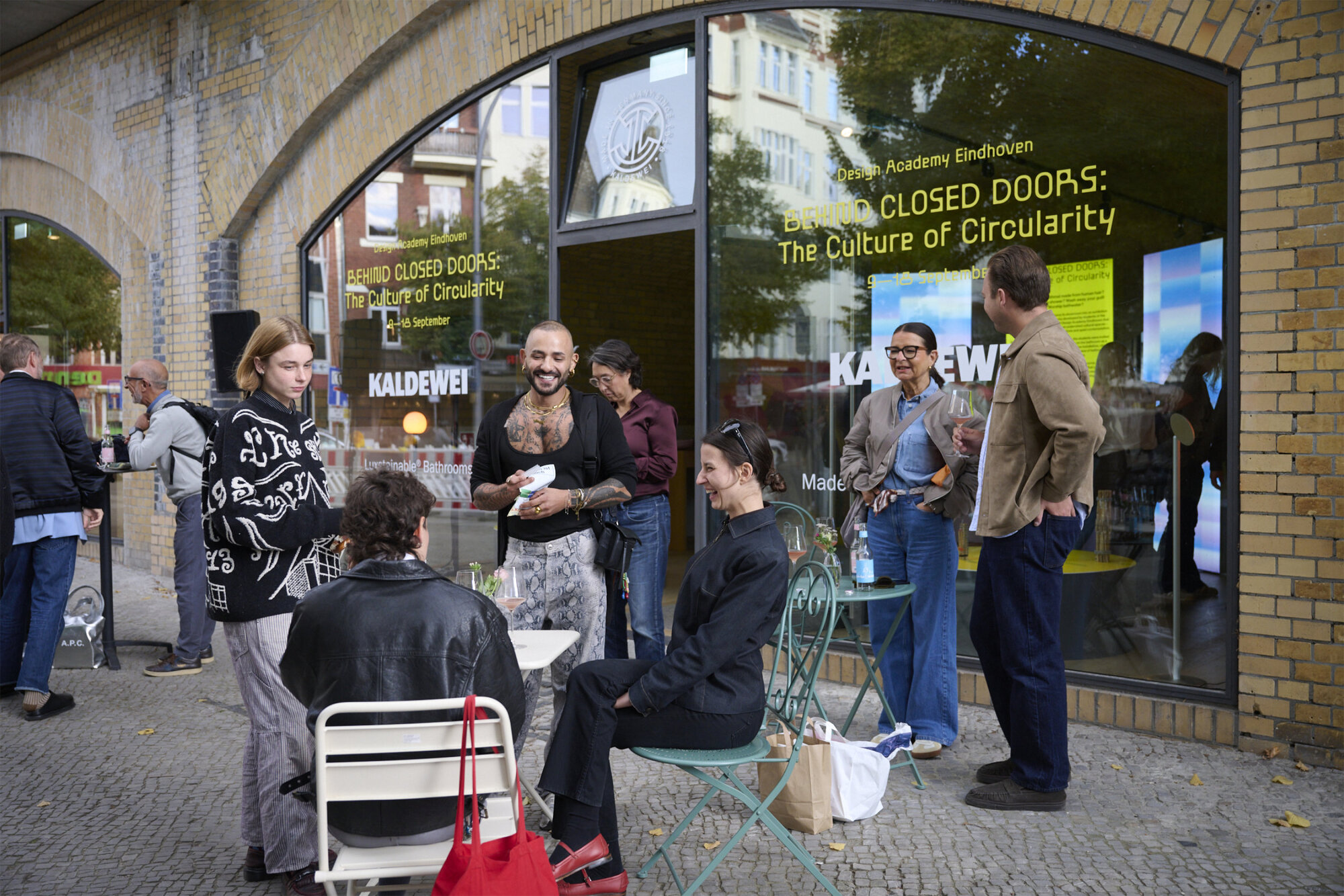
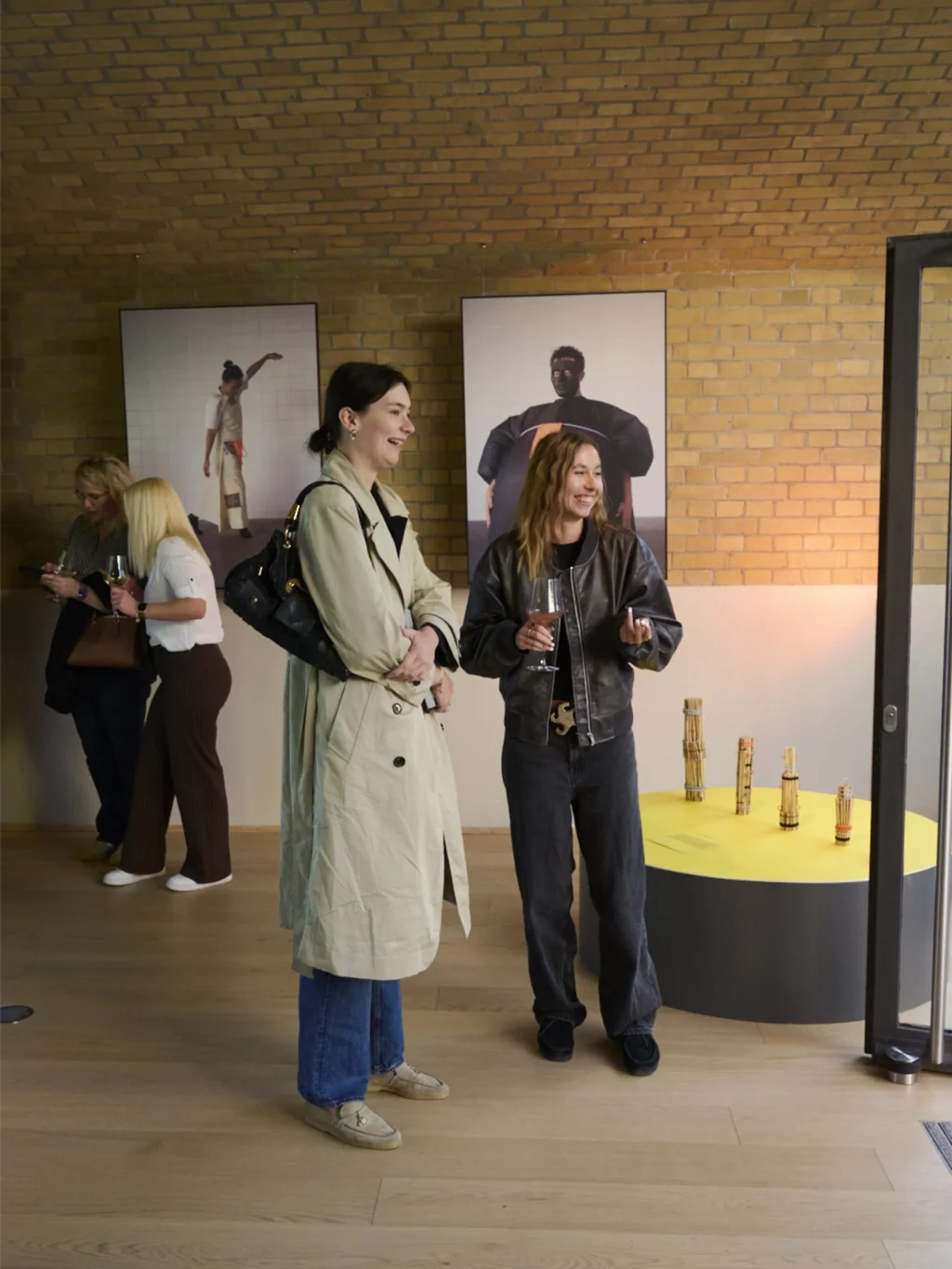
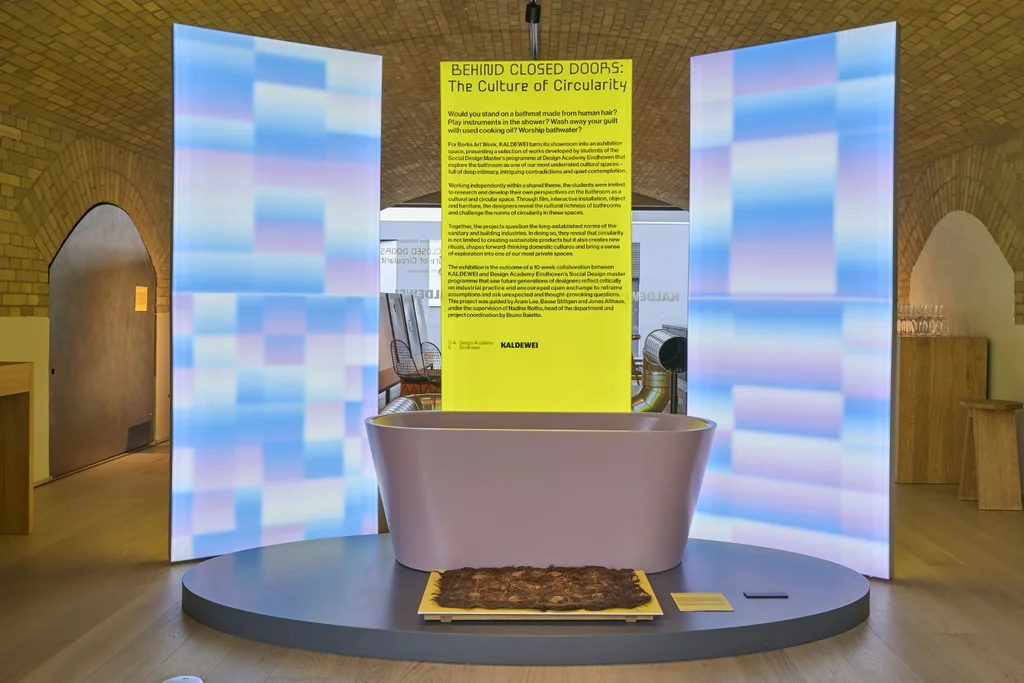
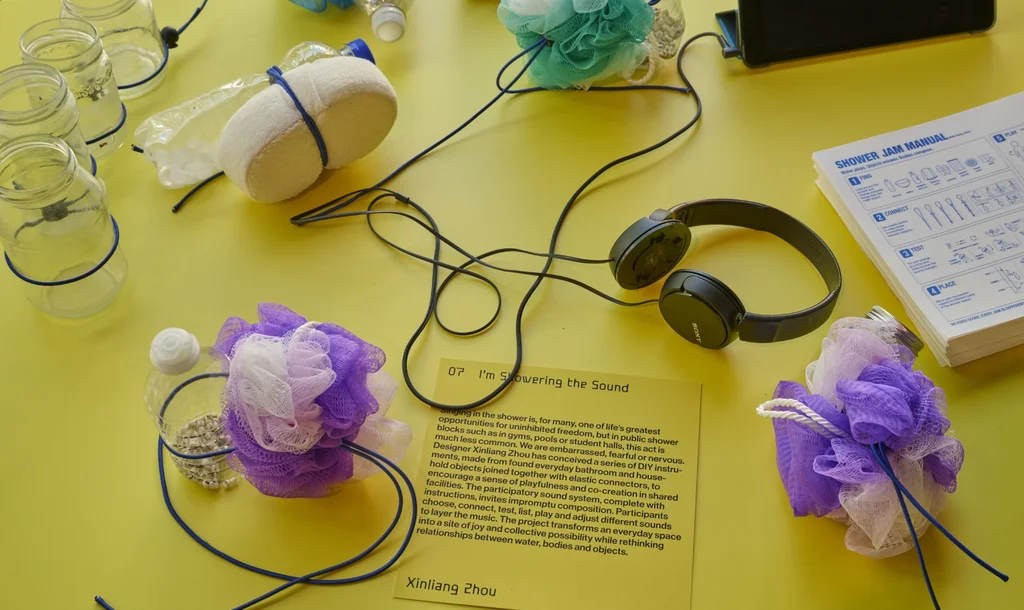
A bath mat felted from human hair, a washbasin shaped entirely from soap, or a metal tube filled with warm air that doubles as a seat for relaxing? Not exactly what you would expect to find in a bathroom manufacturer’s showroom. These unusual objects were recently part of the exhibition ‘Behind Closed Doors: The Culture of Circularity’ at Kaldewei’s showroom in Berlin, presented alongside conventional bathtubs and washbasins. The exhibition was the result of a collaboration between the manufacturer and the Design Academy Eindhoven (Designakademie Eindhoven).
A group of students had explored the practices and rituals associated with bathing and the bathroom. None of the student projects came anywhere near becoming a product that Kaldewei would add to its portfolio. But that was never the point, as Christian Büttner explains: ‘For me, these projects are always a consciously chosen opportunity to look towards the future. They help us as a company to adopt new perspectives.’ The industrial designer and Division Manager Innovation & Portfolio at Kaldewei values these collaborations because they are free from the constraints that often dominate everyday business. Questions such as: ‘Can it be manufactured? How much will it cost? Will I sell ten, a hundred or ten thousand of them? Students are free from these considerations, and we rarely have that kind of freedom within the company,’ says Büttner.
Ideas Emerge Through Open Dialogue
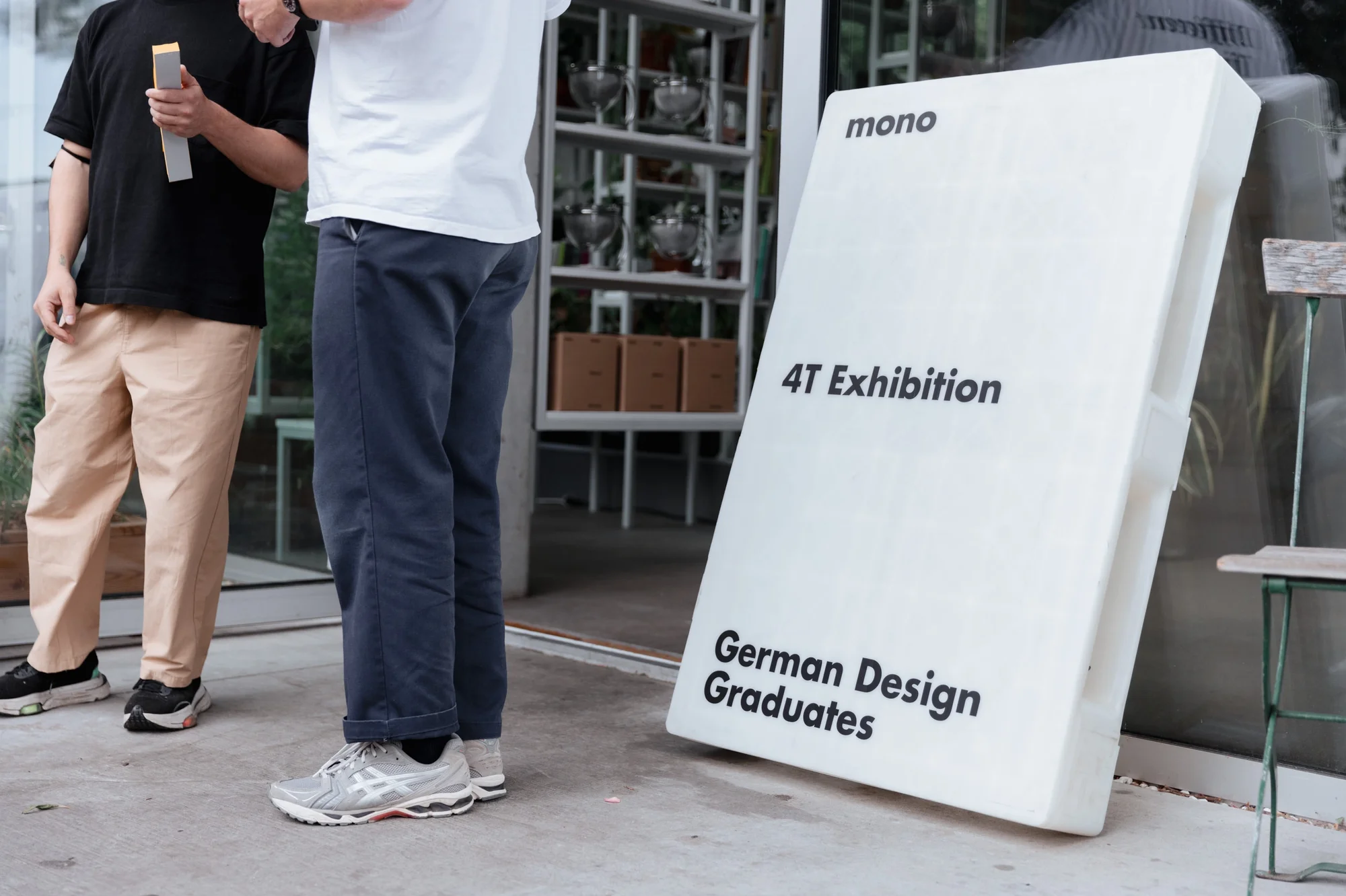
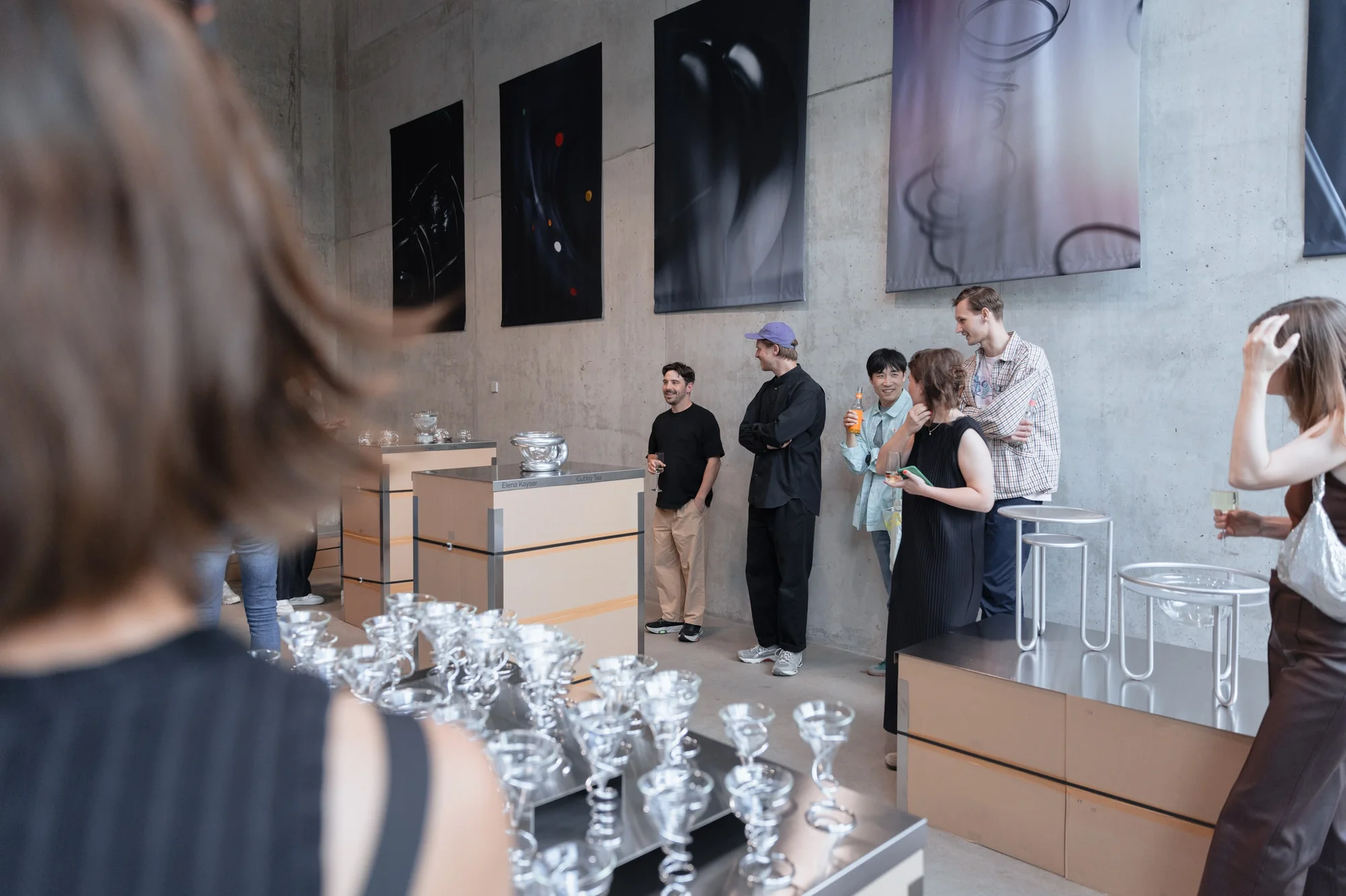
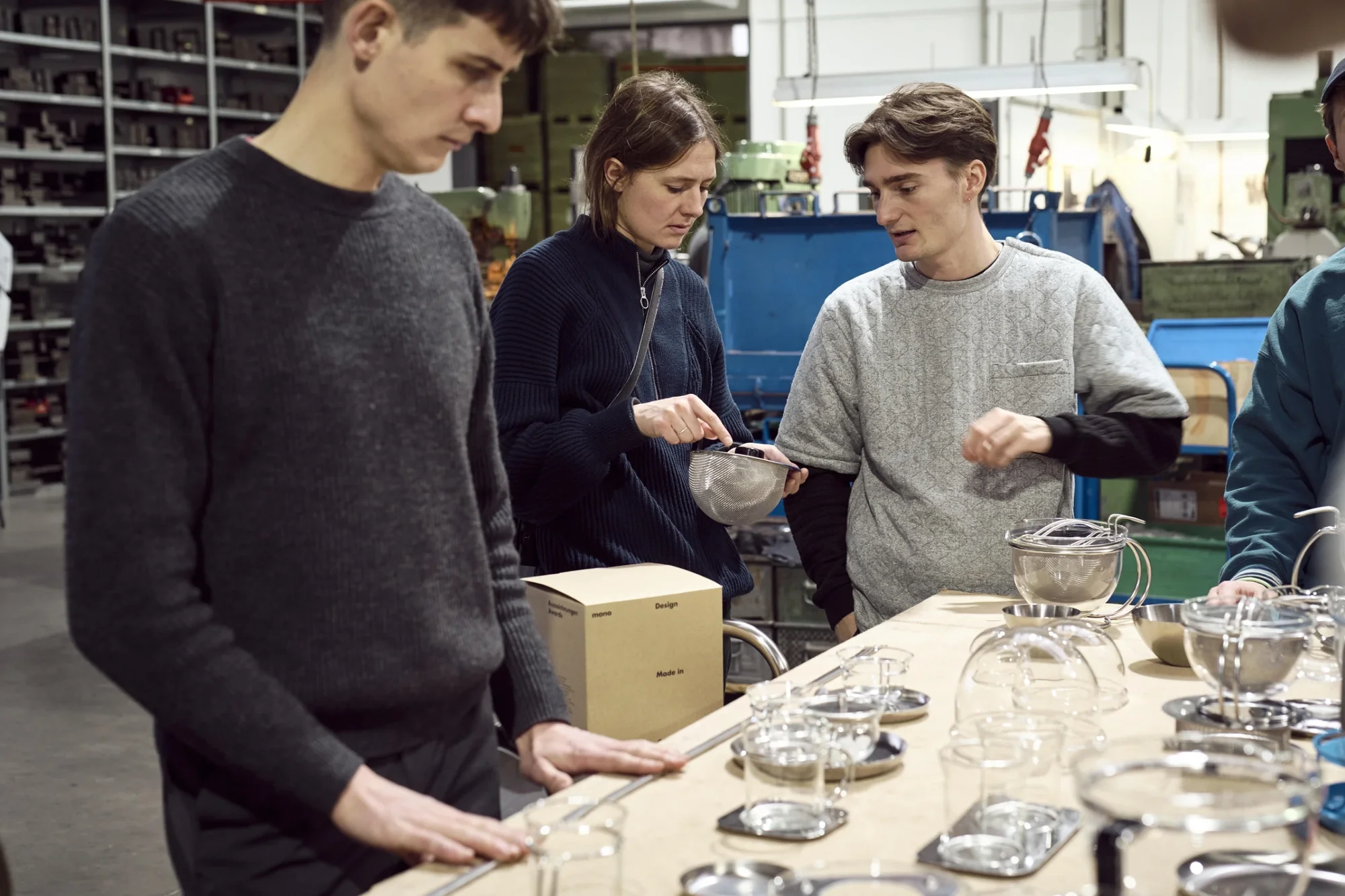
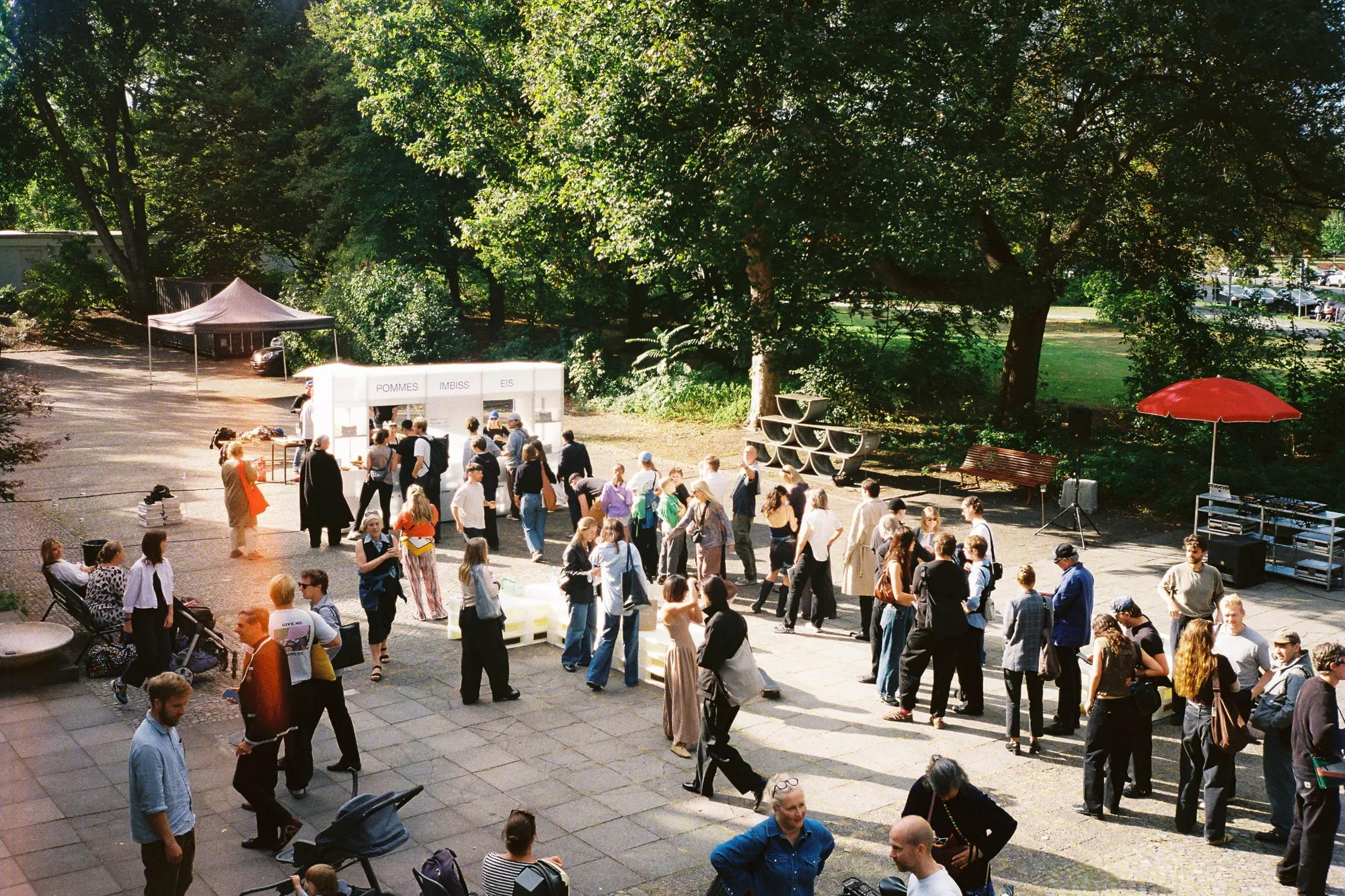
Fresh perspectives and freedom of thought: other companies in the design industry also value exchanges with emerging talent, supporting students and graduates in a variety of ways. At cutlery manufacturer Mono, this involvement ranges from guided tours of its workshop in Mettmann, where young designers can see first-hand how a product is made, to supervising degree projects and collaborating with universities – much like Kaldewei. ‘We see design as a large network. Universities, with their lecturers and students, designers, brands and manufacturers, creatives from other disciplines, retail partners, customers and many others are all part of it,’ says Johannes Seibel, who runs Mono together with his brother Matthias. ‘It is very important to us to stay in touch and maintain relationships with all these people, without necessarily pursuing a specific goal every time. New ideas often emerge dynamically from precisely this kind of open exchange.’
Challenged by Creativity
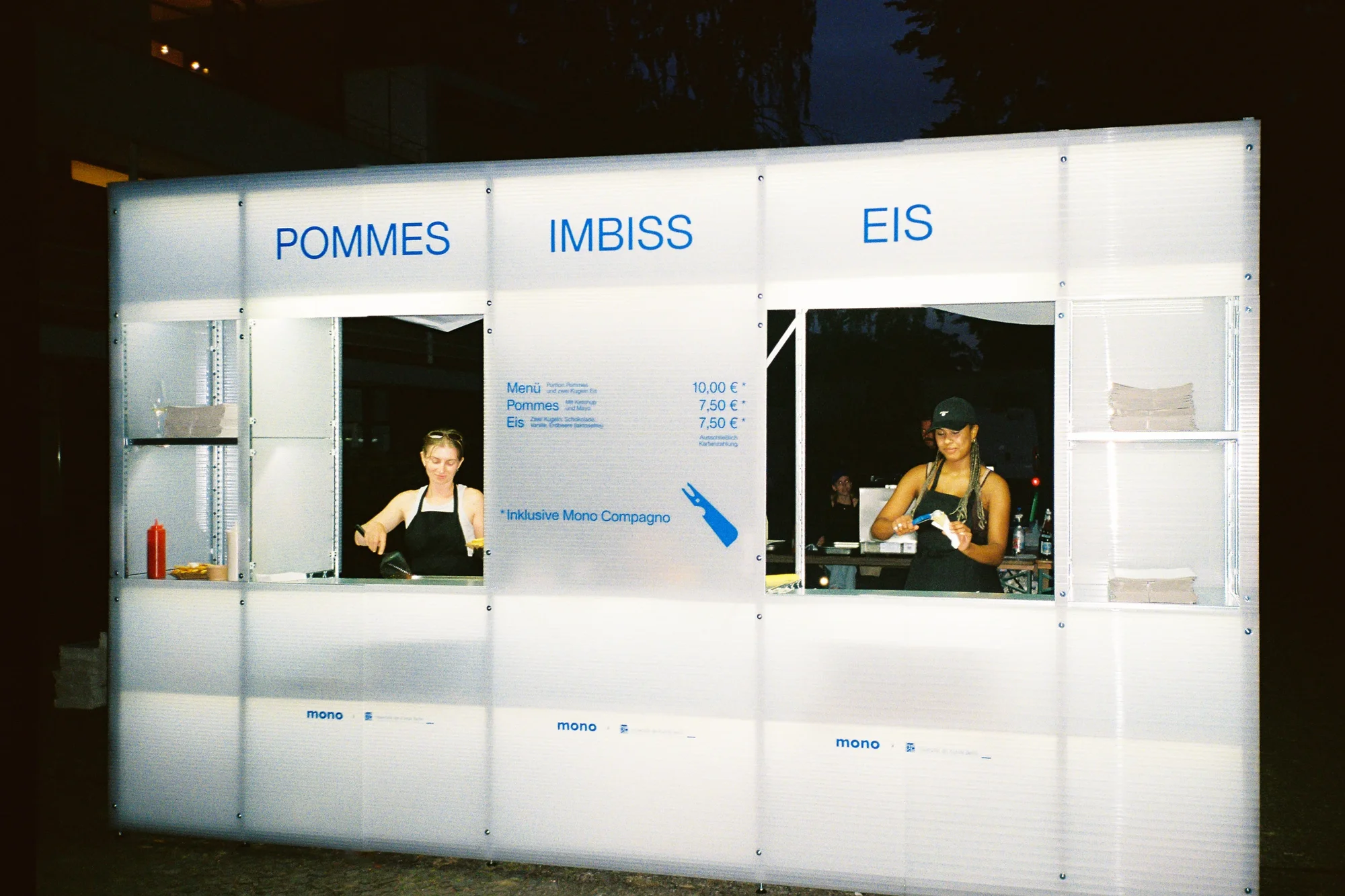
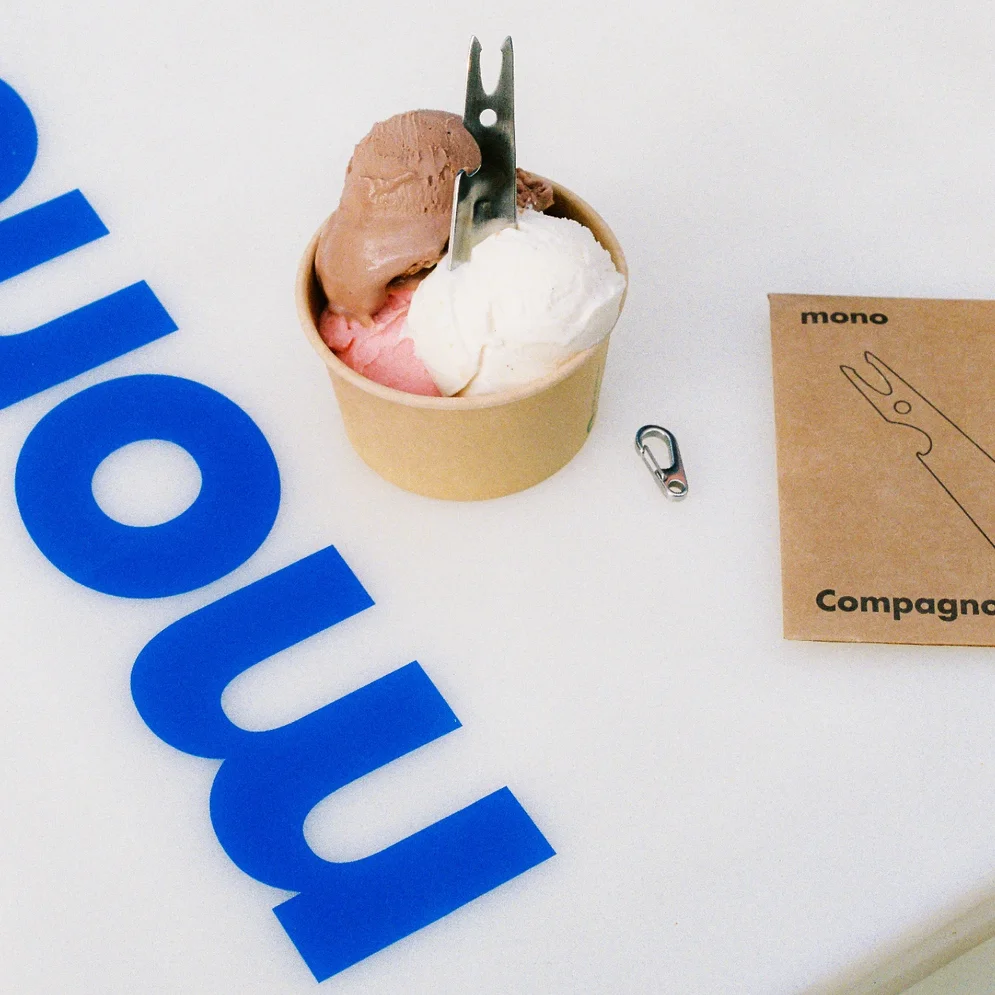
Mono’s most recent initiative was a collaboration with the ‘Design & Social Context’ course at Berlin University of the Arts (Berliner Universität der Künste), as part of a project entitled ‘Food, Tools & Politics’. The collaboration even resulted in a new product, manufactured at Mono’s workshop: ‘Compagno’, developed by design student Oskar Poetsch. The small stainless-steel tool combines a chip fork, an ice-cream spoon and a bottle opener in a single object. Attached to a key ring, it serves as a durable, always-accessible alternative to disposable cutlery. ‘In Mono’s 67-year history, there have actually been several occasions when a student project has turned into a product. Of course, this is not the norm, nor is it the stated aim of our university collaborations,’ says Johannes Seibel. The family-run company sees such projects primarily ‘as an investment in the future, without any immediate expectations attached. It is important to us to keep questioning ourselves and evolving.’ For the company, the aim is to preserve tradition while helping shape the spirit of the times – and exchanging ideas with young designers is extremely valuable in this respect, Seibel explains.

Christian Büttner from Kaldewei is equally convinced of the impact such projects can have within a company: ‘It is a deliberate process of engagement: you bring people into the company who are not prejudiced by existing ways of thinking and are not bound by business constraints.’ They are curious and challenge the company through their creativity. ‘As a business, you have to reflect on that. It definitely leaves its mark.’ In this particular case, for example, it raised the question of whether bathrooms should continue to evolve towards increasingly private spa-like experiences, as Büttner reports. Or whether aspects of community should also play a role, as suggested by the students from Design Academy Eindhoven.
Designing Around the Car
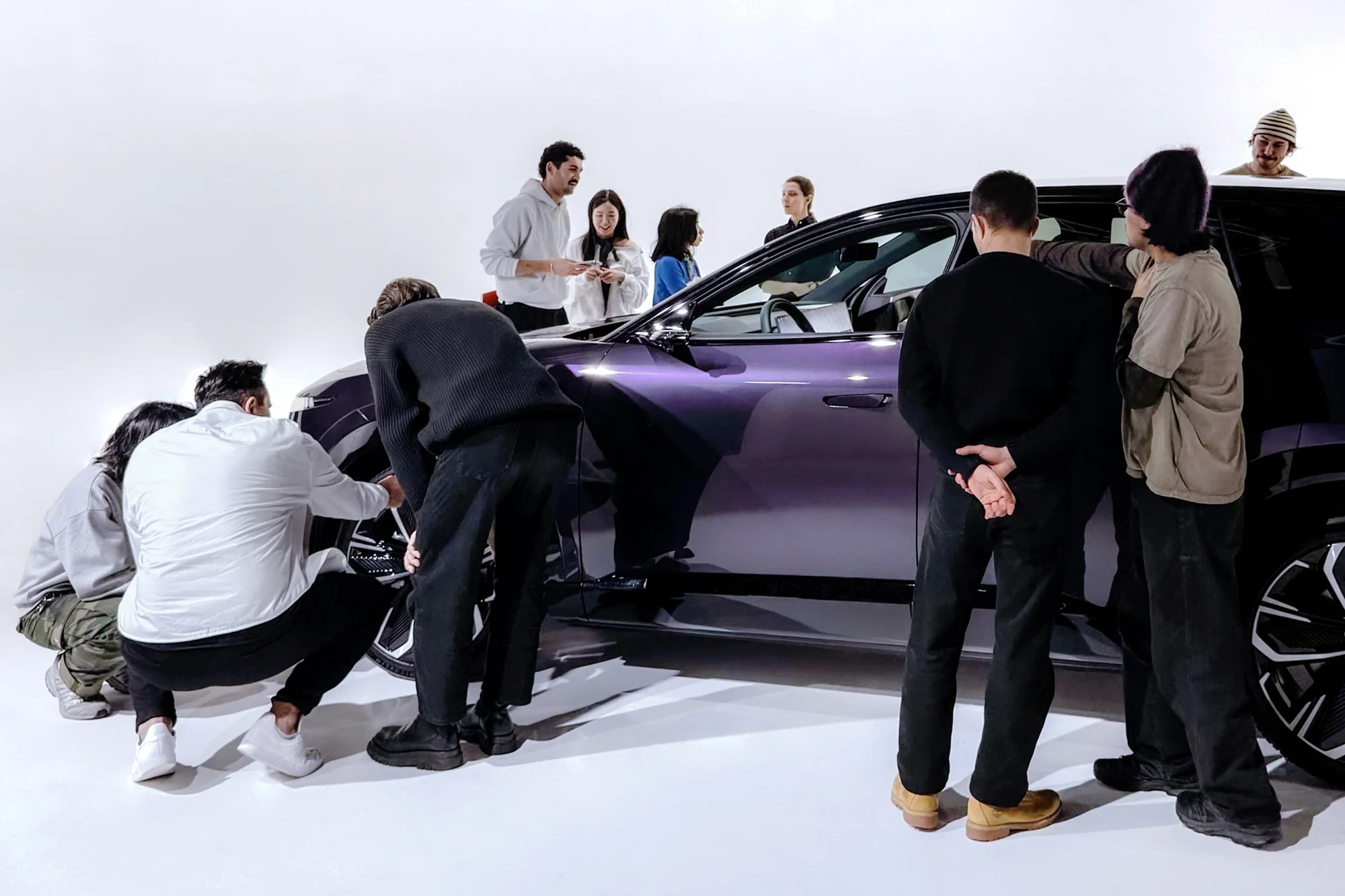
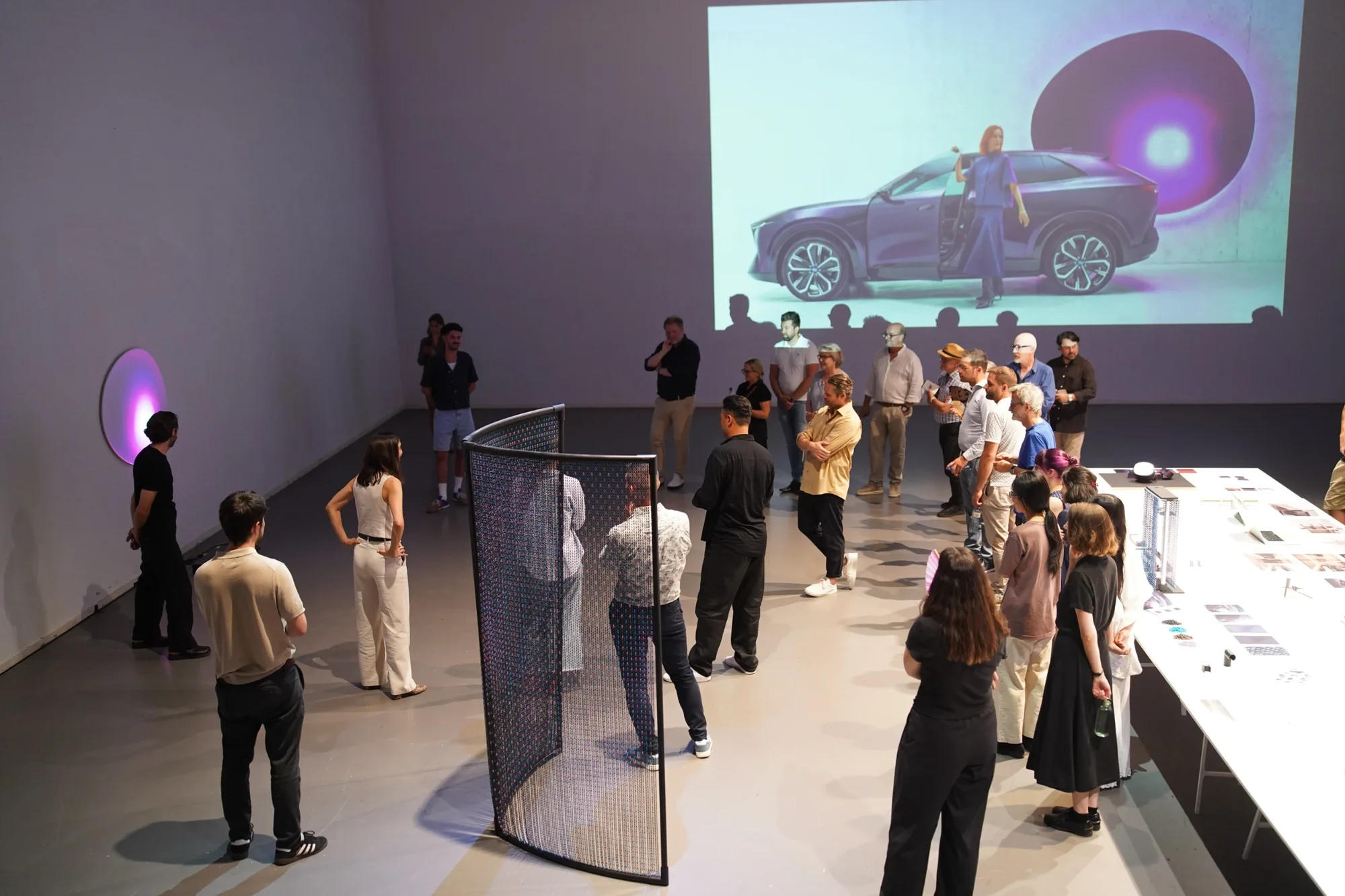
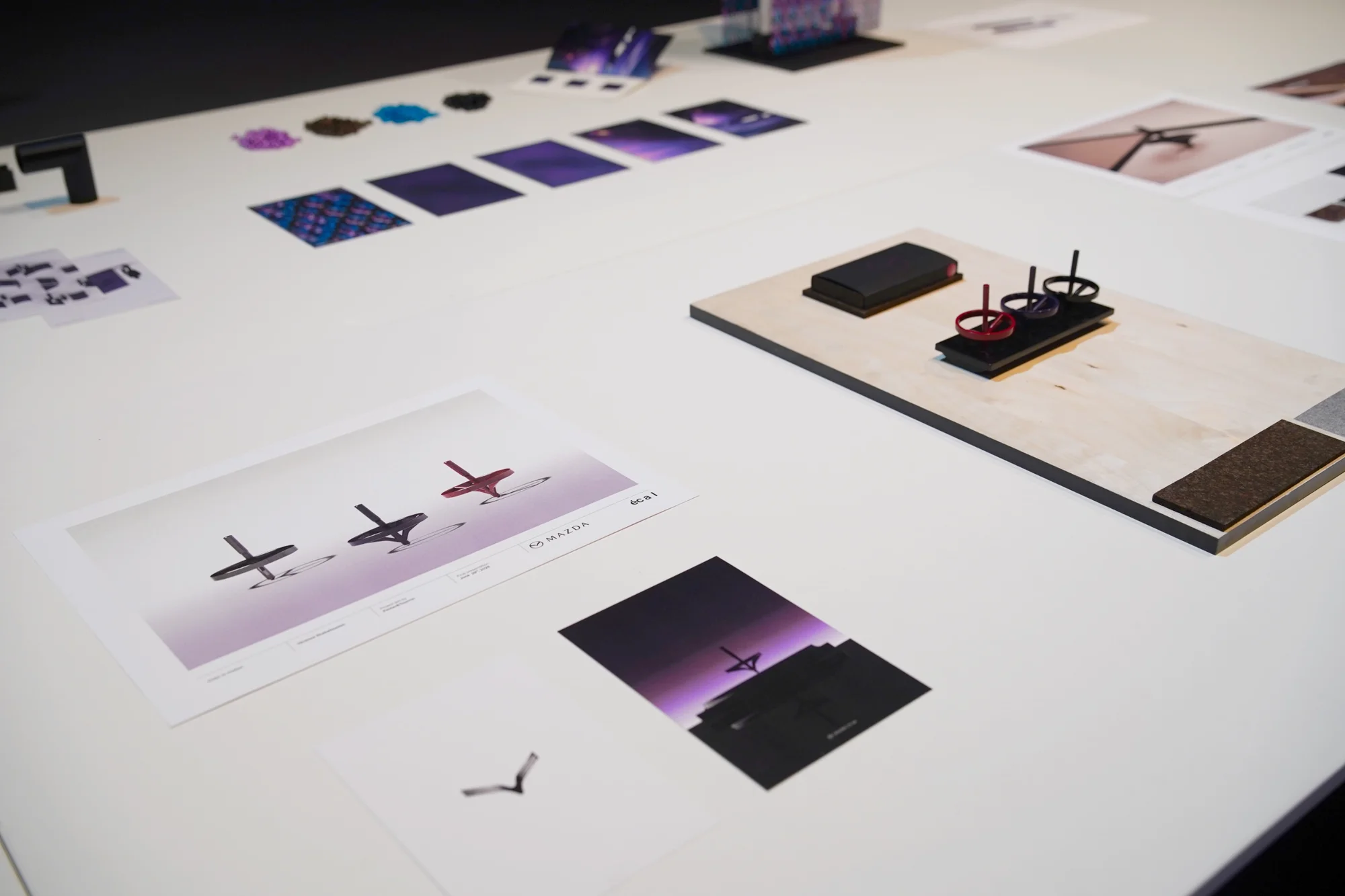
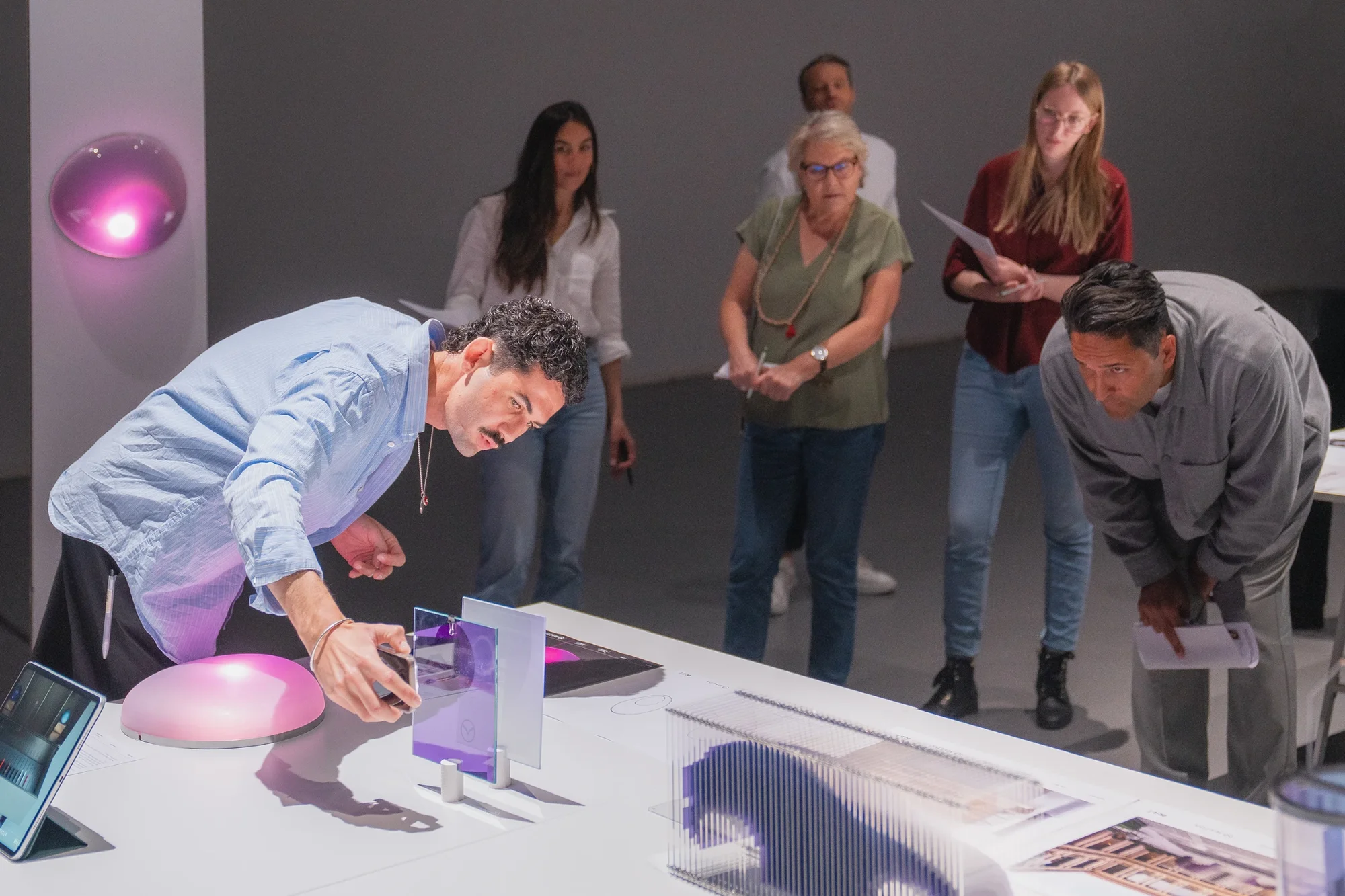
However, it is not only medium-sized, owner-managed businesses that seek dialogue with emerging designers. International corporations also collaborate with universities – including Mazda Suisse, which this year partnered for the second time with the Master’s programme ‘Design for Luxury & Craftsmanship’ at ECAL University (École cantonale d'art de Lausanne). The focus of the collaboration was Mazda’s new all-electric model, the ‘Mazda CX-6e’. Students could choose either to explore the vehicle’s colour palette or to develop point-of-sale materials for the car, intended for use by Swiss dealerships during its launch phase. An interim outcome of the project was ten student designs and concepts, including a distinctive key box, a spinning toy inspired by the shape of the Mazda emblem, a display cabinet for Mazda showrooms and a lighting installation for presenting the car. Mazda plans to develop selected concepts further in the next phase.
Working as Part of the Company
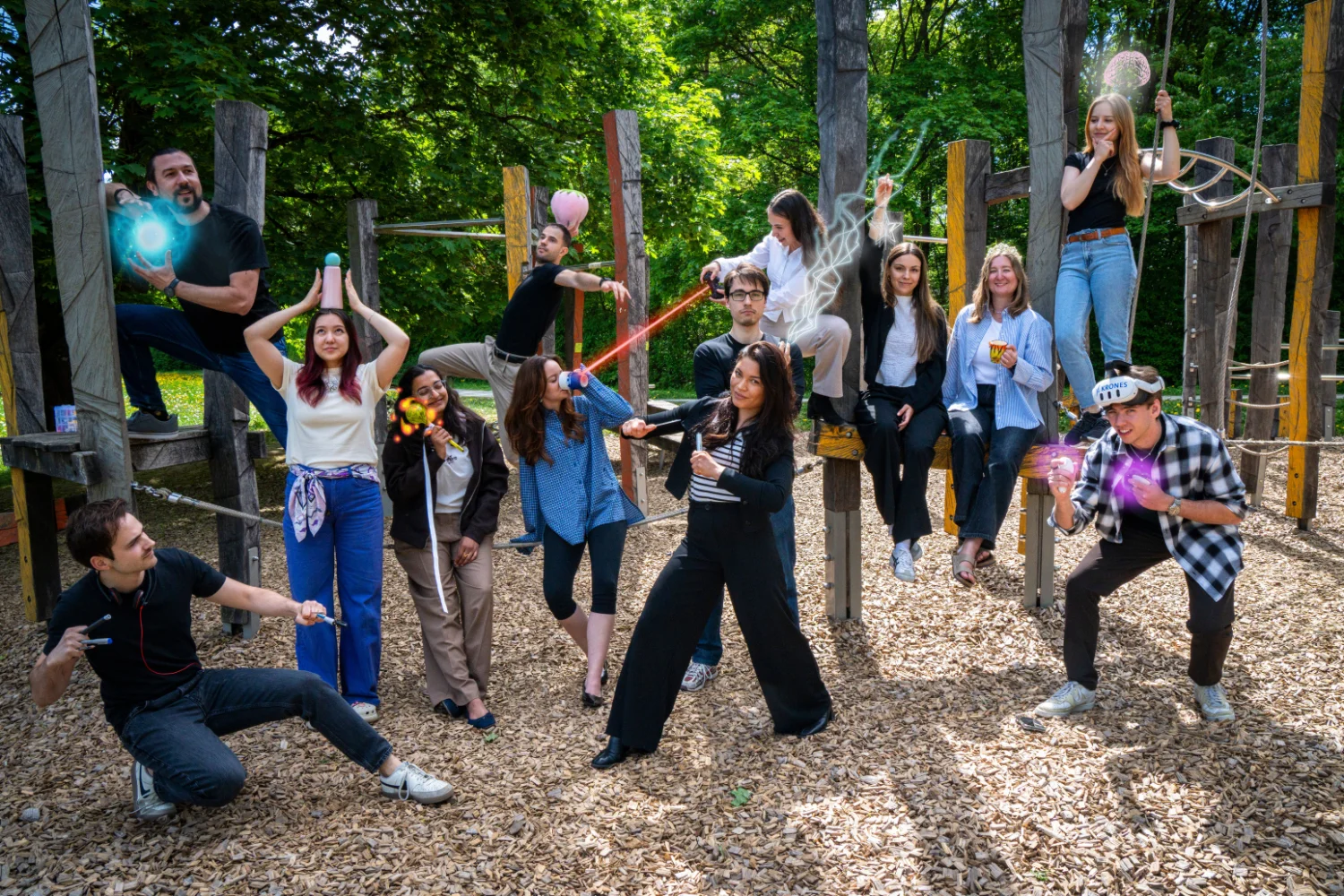
At Krones, a publicly listed plant engineering company based in the Upper Palatinate region of Germany, collaboration with emerging talent is not limited to occasional projects. In 2024, the company established its own Design Lab in Regensburg as part of its in-house research and development department. Led by industrial designer Christian Colceriu, the lab accommodates up to 15 students at a time. They include design students from various German universities, as well as business administration students, aspiring psychologists and students specialising in virtual reality and games. These interdisciplinary teams are directly involved in developing new products. Krones specialises in machinery and systems for the beverage industry, including filling, packaging and recycling equipment. As Colceriu explains, these teams offer significant advantages to Krones: ‘You can learn a great deal from them because they are not stuck in established processes and structures. They bring fresh knowledge from university, along with new tools and methods.’ Creativity is also essential in research and development, and, as Colceriu points out, this is particularly effective when people approach challenges with an open mind, as students tend to do. In return, the students gain valuable practical experience, and some also take ideas from the lab forward into their degree projects.
Human-Centered Design
The interdisciplinary approach is rooted in the working methods of the Krones Design Lab. Christian Colceriu, his colleague Bernhard Büttner and the students work according to the principles of human-centred design. Throughout the design process, they explore questions such as what a machine should look like and how people interact with it. This is where the expertise of psychology students, among others, comes into play.
And because complex filling systems cannot simply be tested using scale models or prototypes, the Design Lab makes extensive use of simulations, including interaction tests. This is where students with expertise in virtual reality prove particularly valuable. Alongside their specific product development projects, the teams also conduct independent design research. Most recently, for example, they investigated AI applications from a human-centred design perspective. Christian Colceriu appreciates the flexible and creative way the teams work. ‘It is a lot of fun, and the students are usually enthusiastic too. Unlike a conventional internship, where you simply observe experts and support their work, here you can work independently as part of a team and learn from people in other disciplines.’