What Will Remain of WDC Frankfurt RheinMain 2026?
Design is everywhere in our daily lives, yet it often remains invisible. The same holds true in the world of policy. When reading through government strategies on innovation, digital transformation, security, the creative industries, or sustainability, the core principles of design are unmistakably present. Policymakers frequently speak of "people-centred" and "planet-centred" approaches, using the same vocabulary of the design community, without explicitly recognising these methods as design.
As design advocates, our challenge is to make the invisible visible and the intangible tangible. It is vital to have both dedicated design policy and also design integrated into other policies. Dedicated national and regional design policies exist across the world, such as in Singapore, Hong Kong, the Philippines, Latvia, and Iceland. But we have not had an EU design policy since 2014. We also need design to be explicitly embedded across multiple policy agendas. It is not simply about asking what policy can do for design, but demonstrating what design can deliver for government, business, and society.
Co-Designing a Legacy for Frankfurt RheinMain
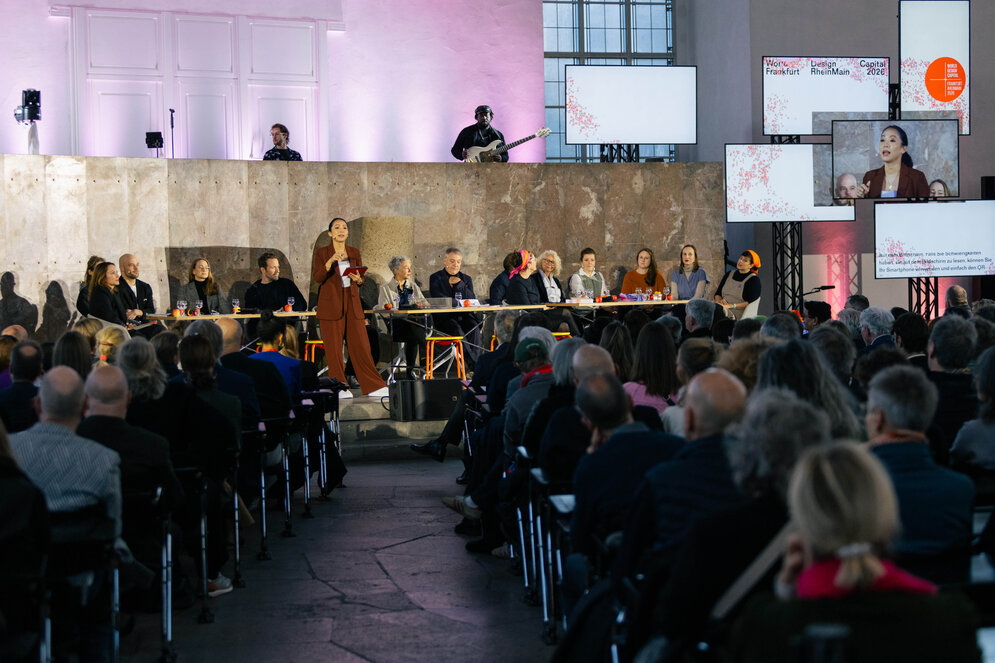
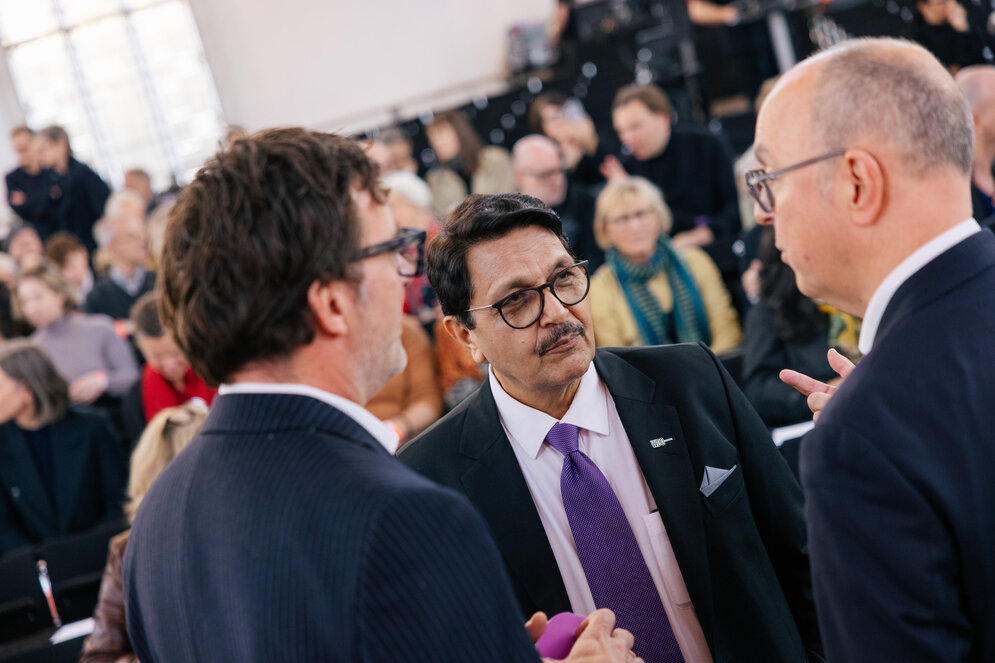
In Frankfurt RheinMain, moving from abstract policy concepts to concrete reality required a deeply participatory approach. Even before the World Design Capital designation officially began, the organising team was focused on legacy and the tangible impact they wanted to achieve for citizens across the city, the region, and the state of Hesse.
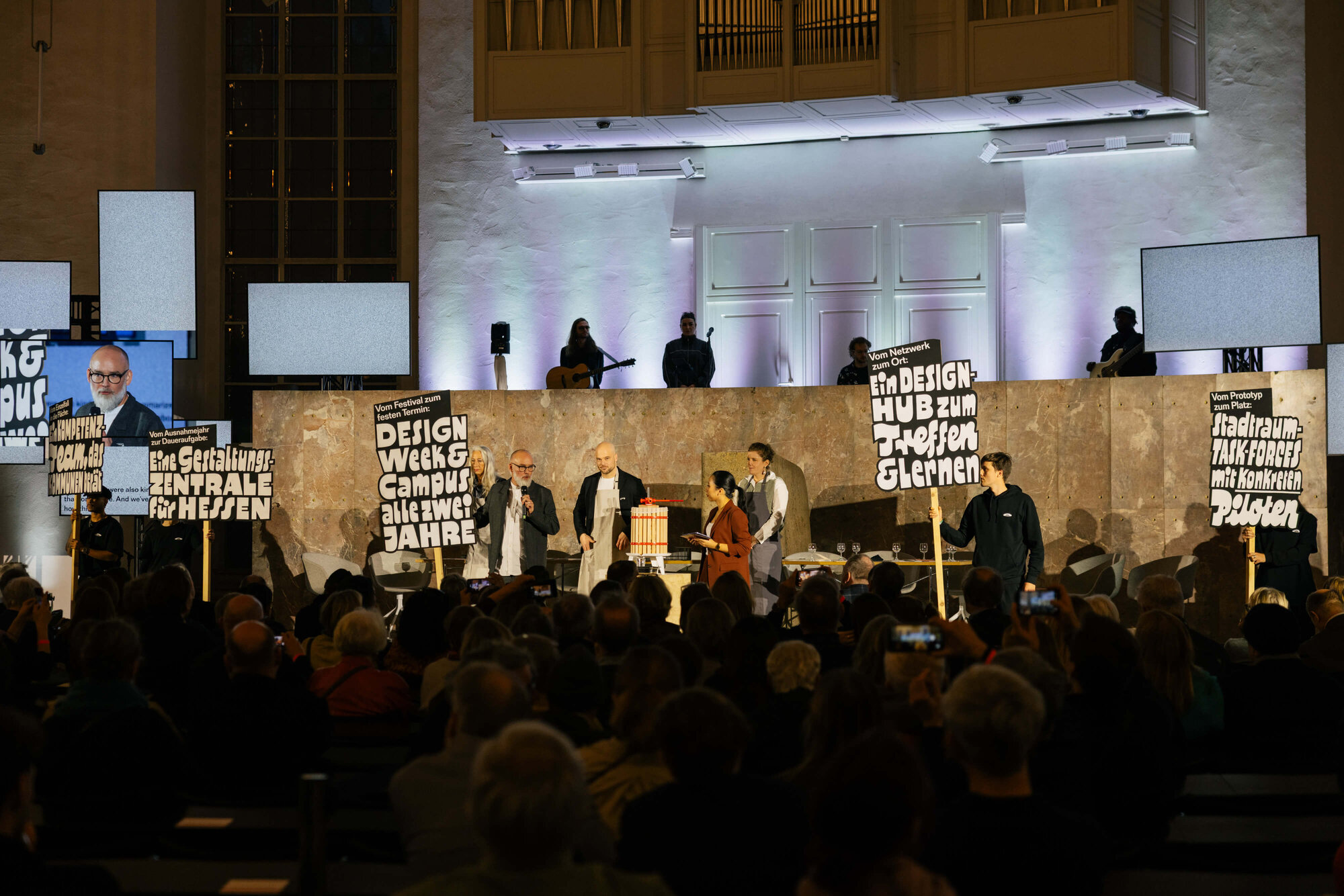
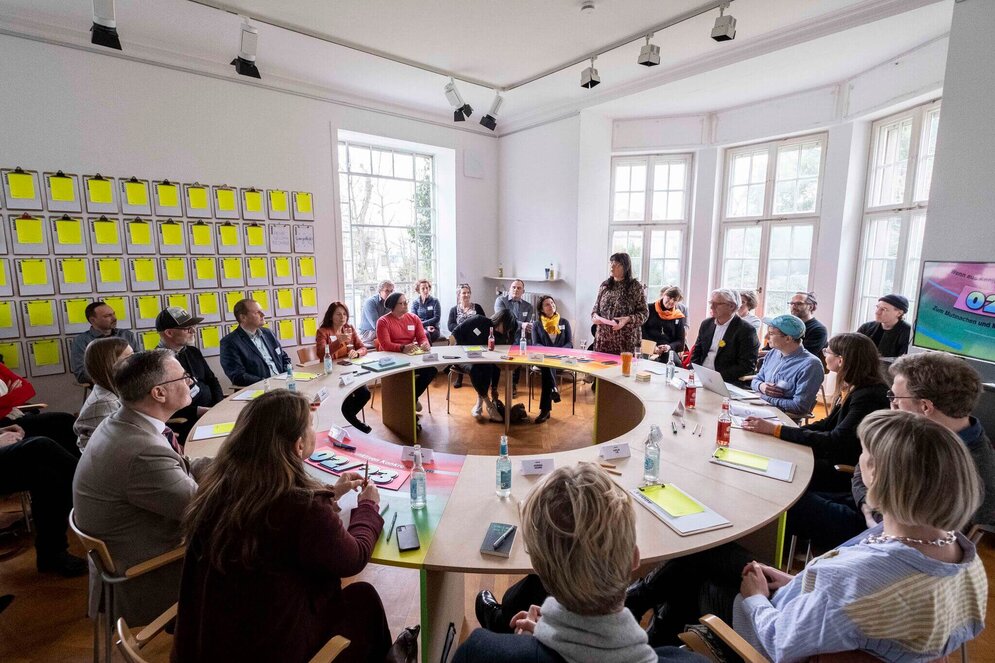
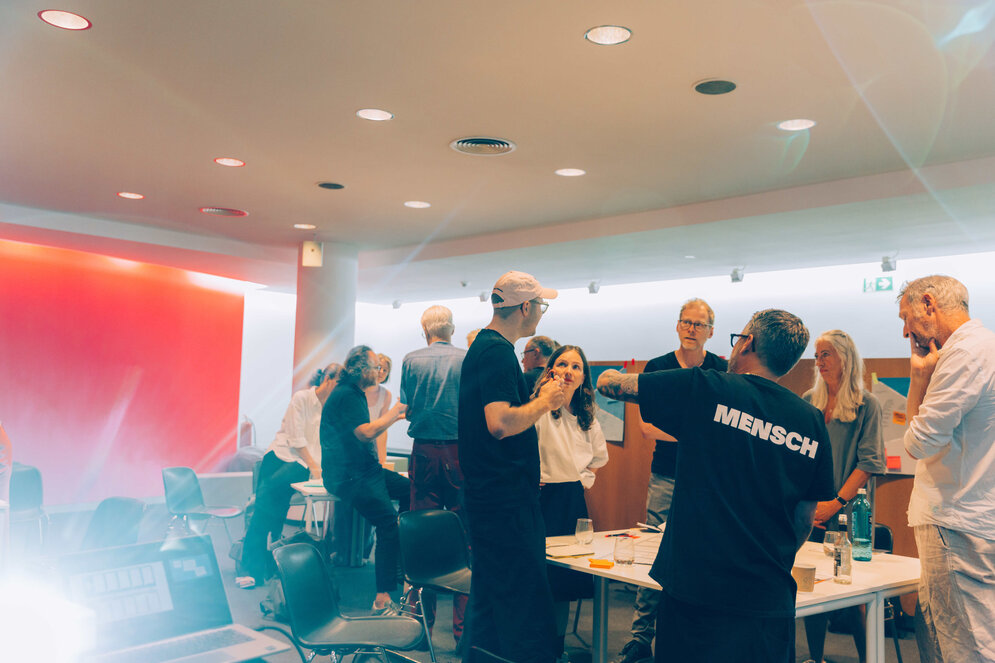
Rather than drafting a top-down strategy in isolation, the emerging Design Action Plan for Frankfurt RheinMain was co-designed by more than 1,000 people. Through a series of collaborative workshops and crowdsourcing initiatives, designers, businesses, civil society, and policymakers came together to shape the region's design future.
Starting with an ambitious pool of roughly 80 initial ideas, the participatory process narrowed the focus to 17 core ideas, and finally, through ongoing sense-checking and validation, distilled them into five priority actions for shorter-term implementation. Crucially, these actions were tailored to the specific context of the region, addressing local gaps in design infrastructure while building on existing strengths.
1. An Urban Space Task Force for Prototyping Public Spaces
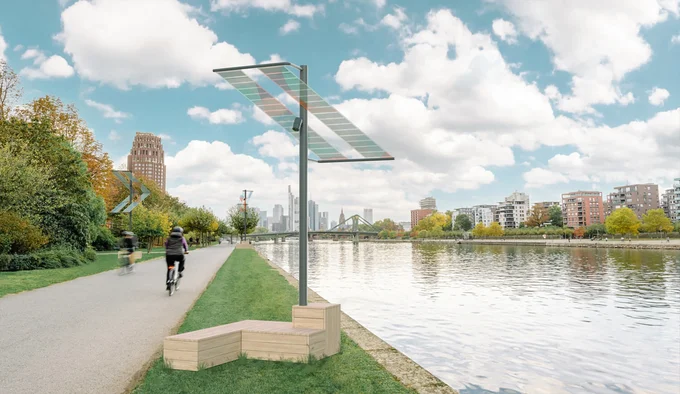
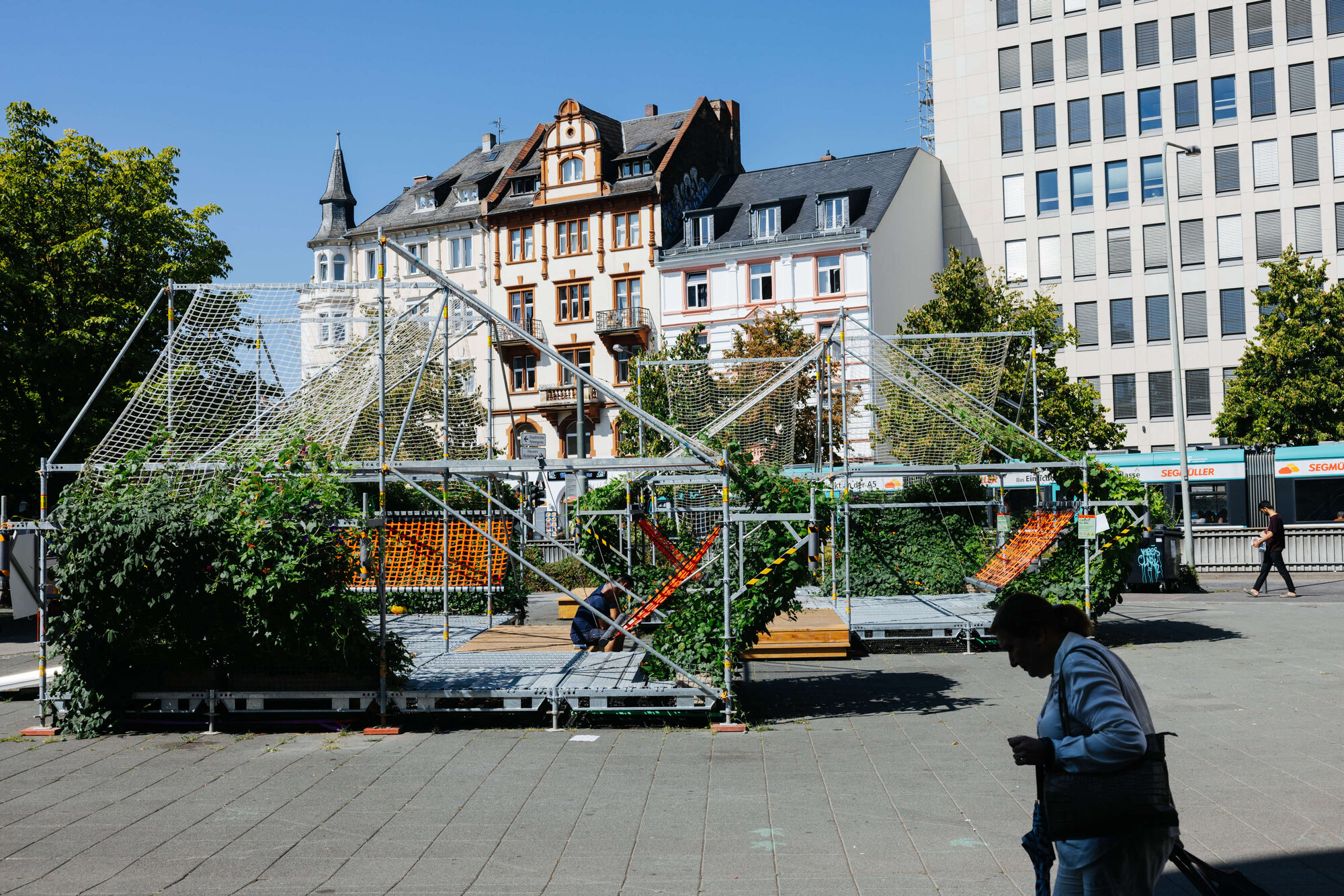
One of the primary ambitions of the plan is to make policy tangible, allowing citizens and decision-makers to see, touch, and experience it firsthand. Building on the success of Carlo, a community co-designed public space created to tackle the pressing issue of urban heat, this task force will continue prototyping public spaces across the region. While a 50-page report on climate adaptation can easily sit unread on a desk, experiencing a living, community-driven space that cools a neighbourhood and serves as a social focal point demonstrates the power of design in action.
2. A Design Hub for Meeting and Learning
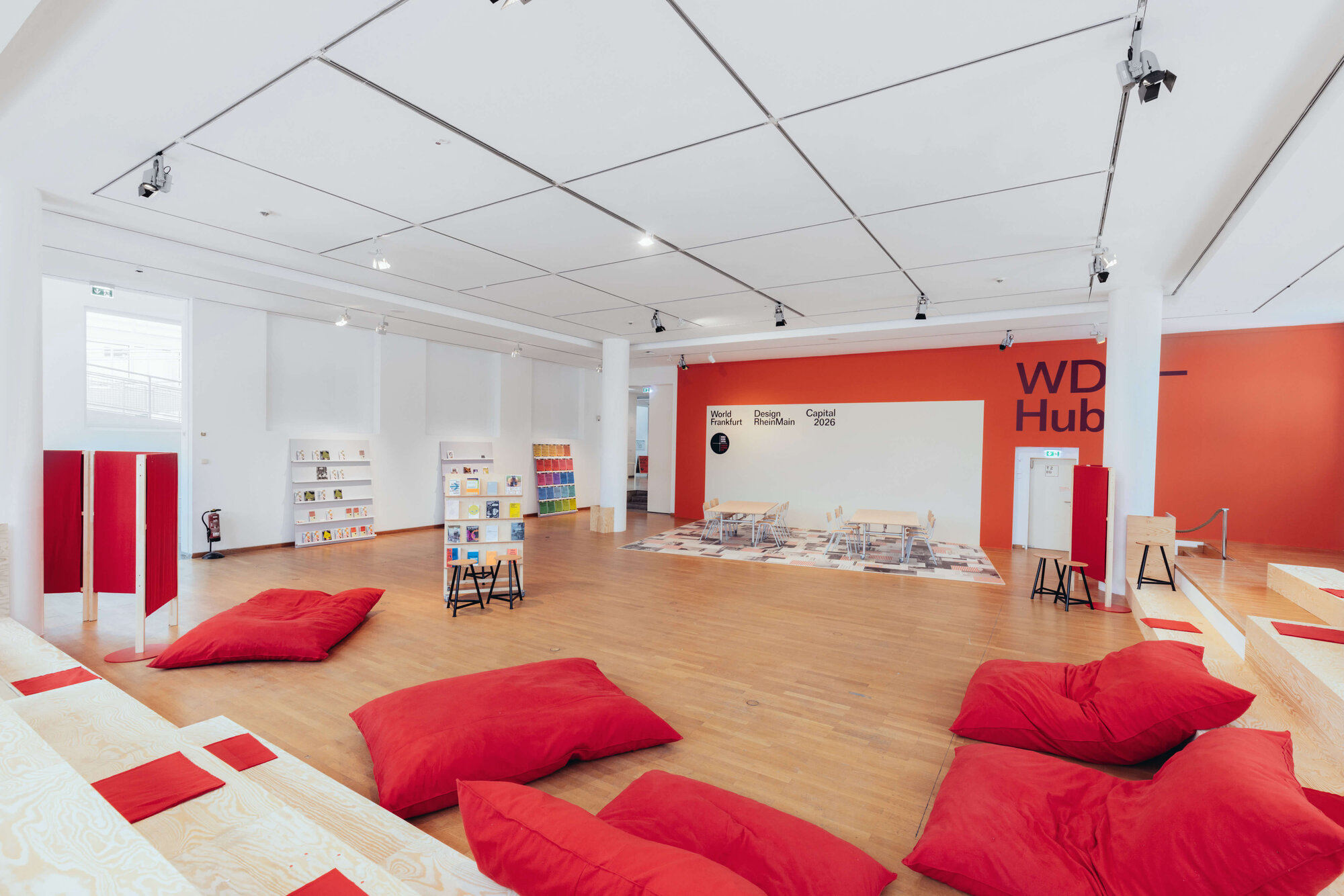
Recognizing the need for a dedicated physical anchor, the plan establishes a central Design Hub. Serving as a focal point for the region's creative and civic life, this space will bring people together to learn and collaborate. It will also play a vital role in shaping a future design society. Crucially, the proposition for the Design Hub should be co-designed maybe it will welcoming children for early childhood education built around simple, foundational design principles like play, test, and tell.
3. An Expert Team to Advise Municipalities
Embedding design across a region requires leadership at every tier of governance. The action plan proposes establishing an Expert Team operating across different levels of local administration. These officers will advise municipalities and act as internal champions, ensuring that human-centred, iterative approaches become standard practice in local decision-making.
4. A Central Design Office for Hesse
To build lasting capability within public administration, the design action plan calls for a dedicated Central Design Office for the state of Hesse. Merging several concepts, including the creation of policy labs, this office will provide a safe space for civil servants to experiment with design and other innovation methodologies. By equipping public servants with new tools, the state can tackle complex challenges like the green transition more effectively.
5. A Design Week and "Design Value Made in Hessen"
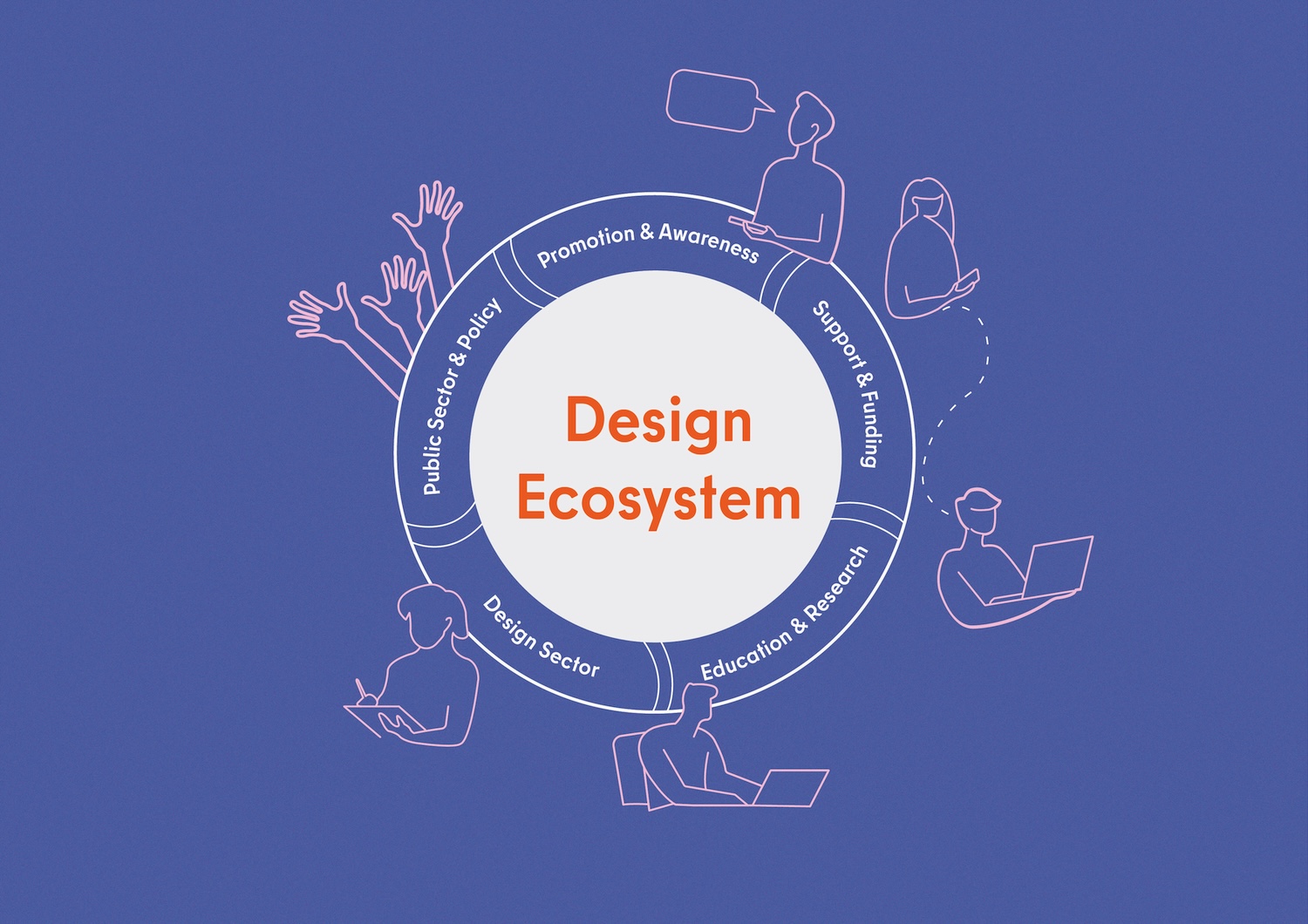
Finally, realising the full potential of design requires activating the entire ecosystem holistically, connecting different segments of the design ecosystem: promotion and awareness, education and research, support and funding, the design sector and public sector and policy.
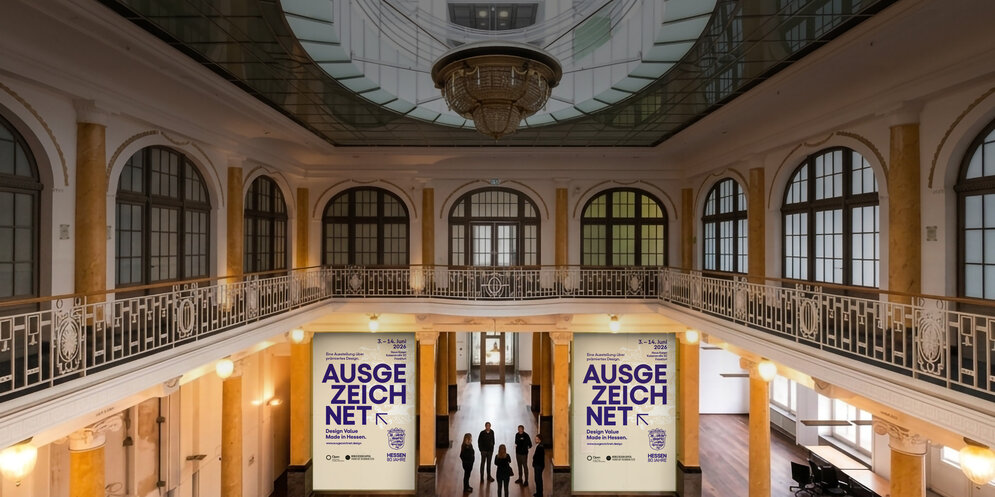
Through initiatives like a regional Design Week and the "Design Value Made in Hessen" brand, the plan aims to bring the design community together, showcase regional excellence, and foster a broader understanding of how design adds measurable value across the entire economic and civic value chain.

Building Capacity at Different Levels
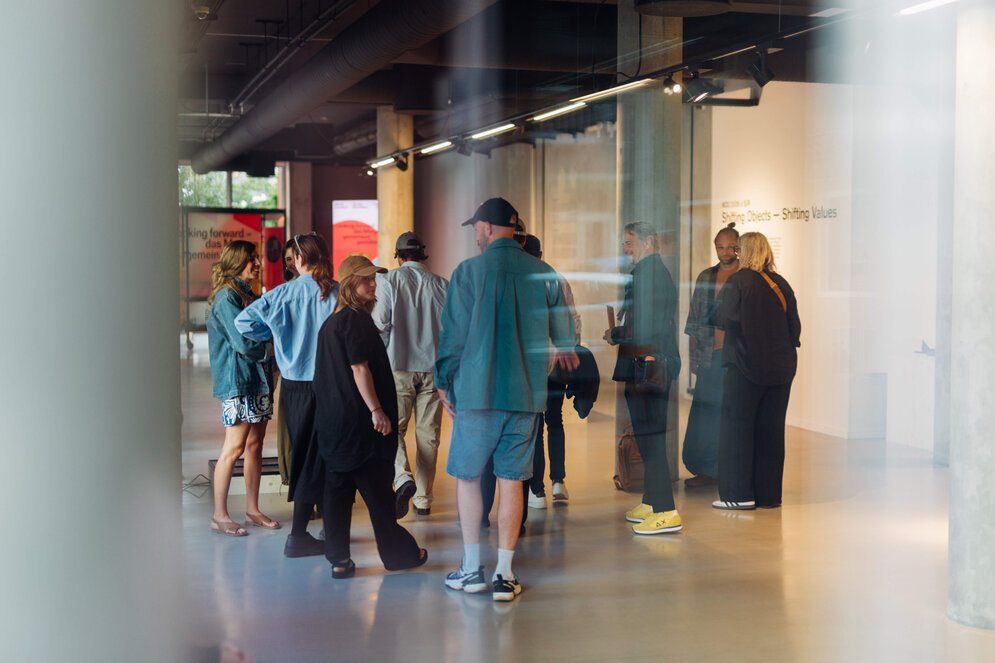
Fundamentally, this is about building capacity at different levels. For societal grassroots, this could be supporting communities and independent designers who bring the raw energy to meet the green transition. For businesses, this could be fostering demand so companies see the returns of investing in design. In Scotland, there were design vouchers enabling companies who had never worked with a designer before to access a small grant to de-risk their first design engagement.
For education, this could be changing how the next generation is taught from early years to university and positioning design as a transdisciplinary capability. For government, embedding design directly into public administration. For example, in the UK there are more than 3,000 people working in central government with ‘design’ in their job titles including: service designers, interaction designers, design researchers, inclusive designers and content designer. This is because user-centred design is part of UK Government’s Digital and Data Capability Framework so the skills of designers are prescribed. The UK Government also has a set of Government Design Principles; the number one principle is Start with User Needs.
A New Model for Civic Change
What makes the Frankfurt RheinMain Design Action Plan particularly compelling is not just what it proposes, but how it came to be. It represents a new model for developing and delivering public strategy, one that is endorsed by government, yet genuinely driven from the grassroots up by designers, businesses, and civic organisations.
By combining the energy and creativity of the community with the mandate and structural support of public institutions, Frankfurt RheinMain is proving that when design moves from policy to action, everyone benefits.

About Prof. Anna Whicher
Anna Whicher is Professor of Design and Policy at the PDR at Cardiff Metropolitan University in Wales. She is an internationally recognized expert in design policy and assists governments and institutions worldwide in integrating design into policy strategies and administrative processes. As part of WDC Frankfurt RheinMain 2026, she was involved in developing the position paper for the regional Design Action Plan.