When Craft Becomes Capital
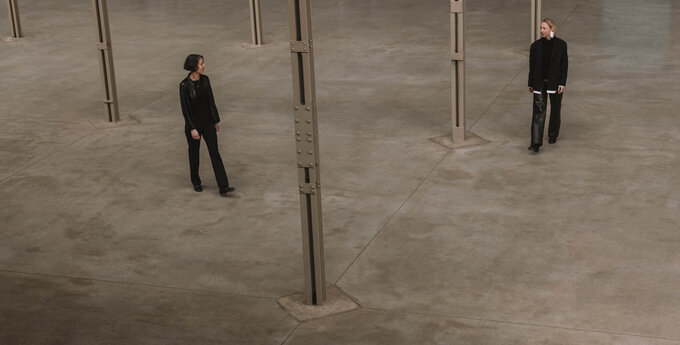
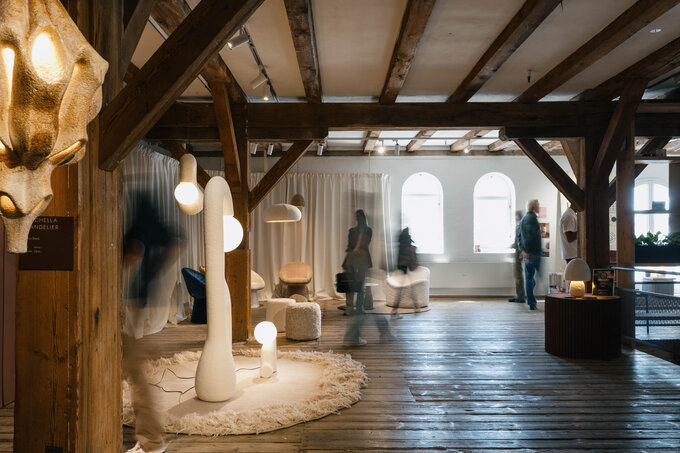
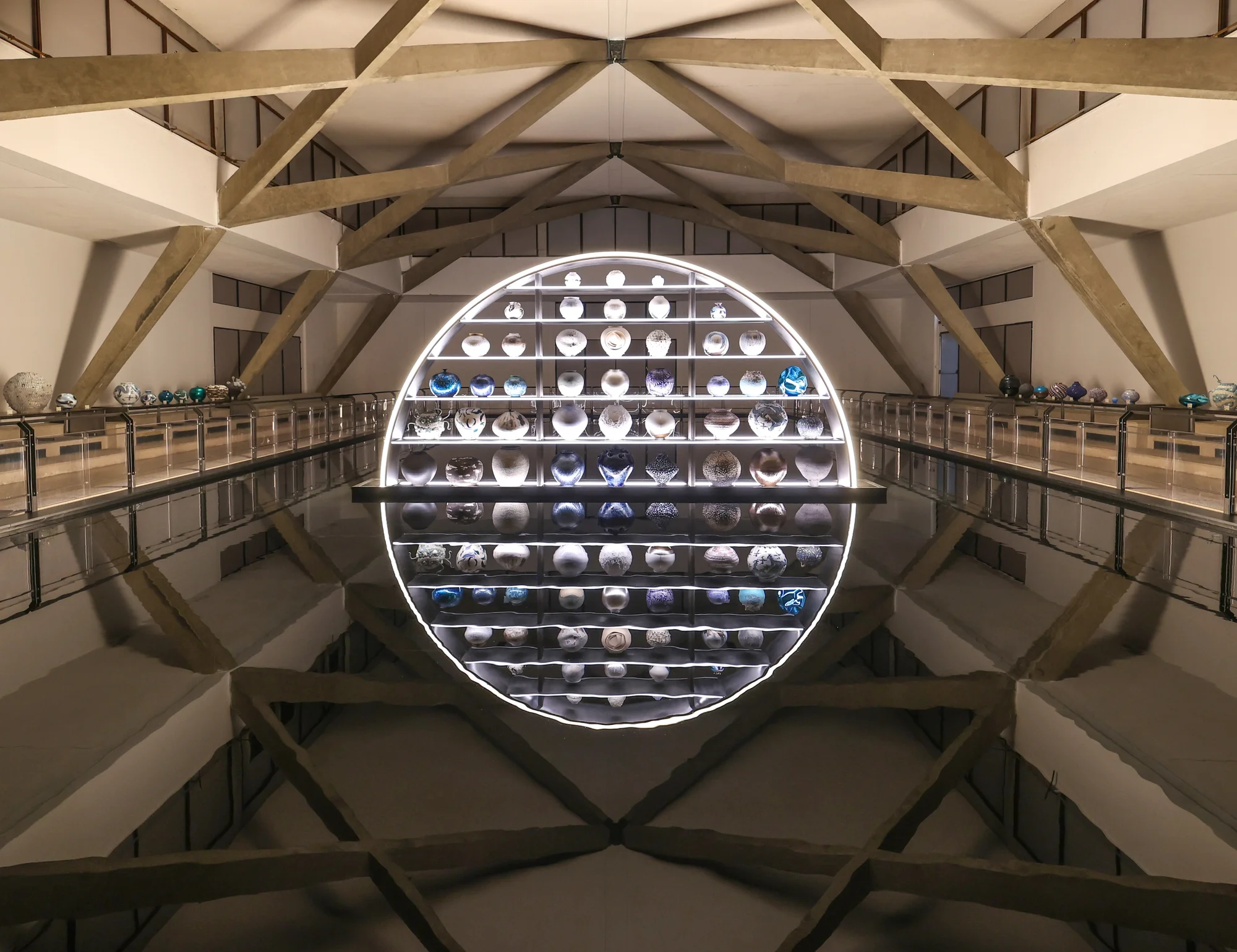
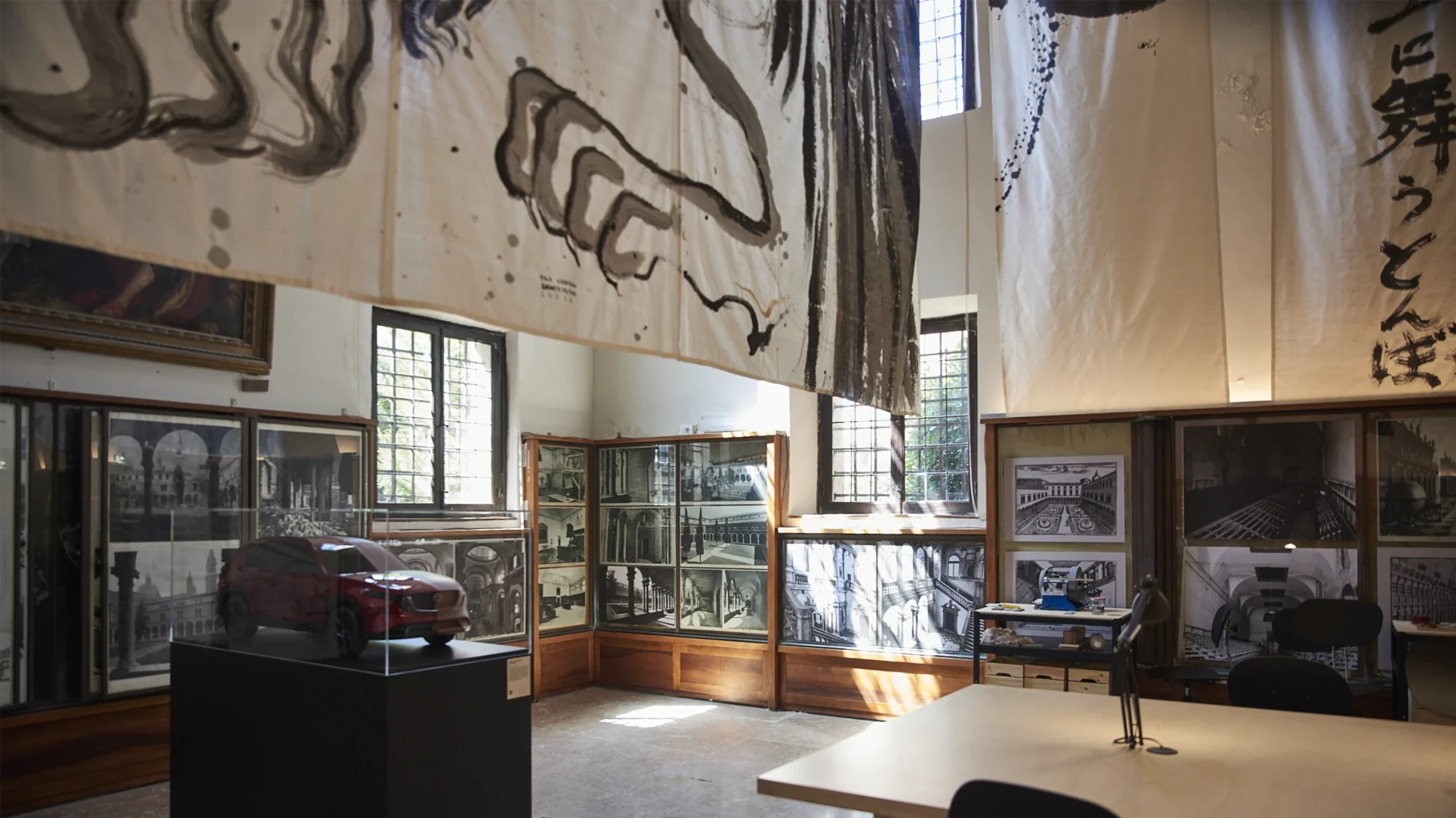
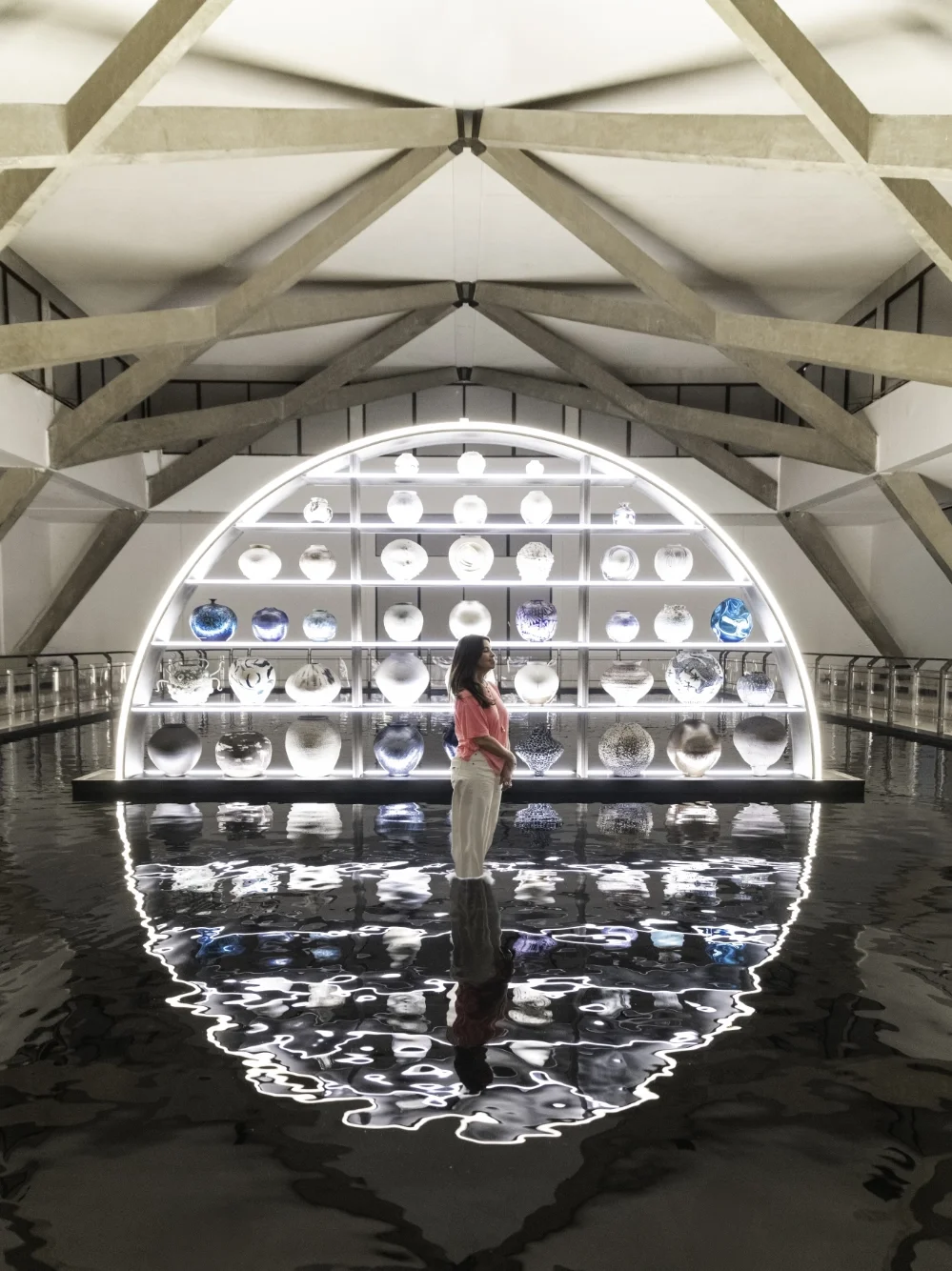
In September, on the island of San Giorgio Maggiore, British artist and stage designer Es Devlin transformed the spaces and gardens of the former Benedictine monastery, now home to the Fondazione Giorgio Cini, into a sensory parcours of light, reflection, movement and sound. Entitled ‘An Island of Light’, her immersive scenes and live ateliers direct attention beyond the skilfully crafted objects to the hands, people and processes behind them.
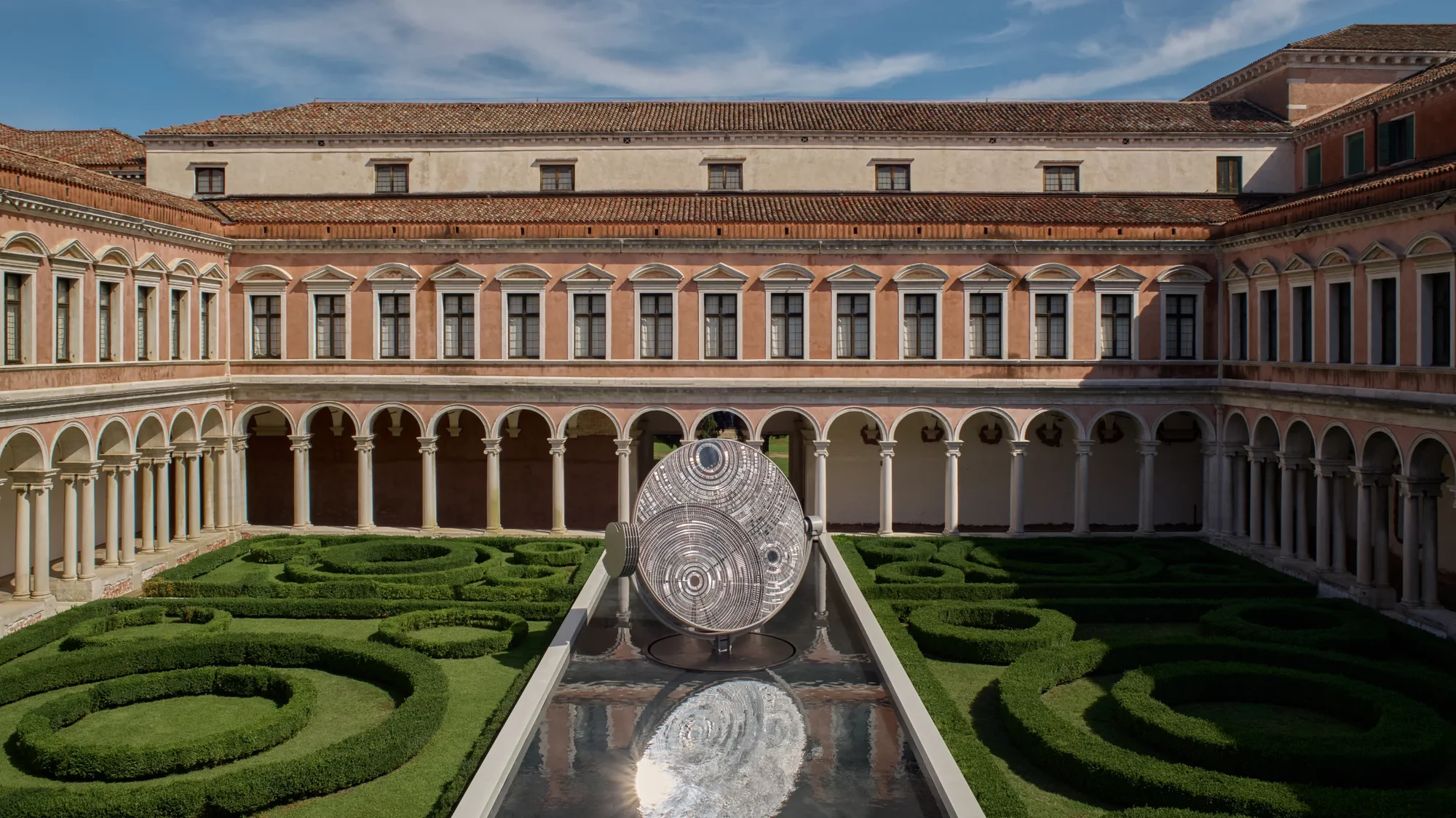
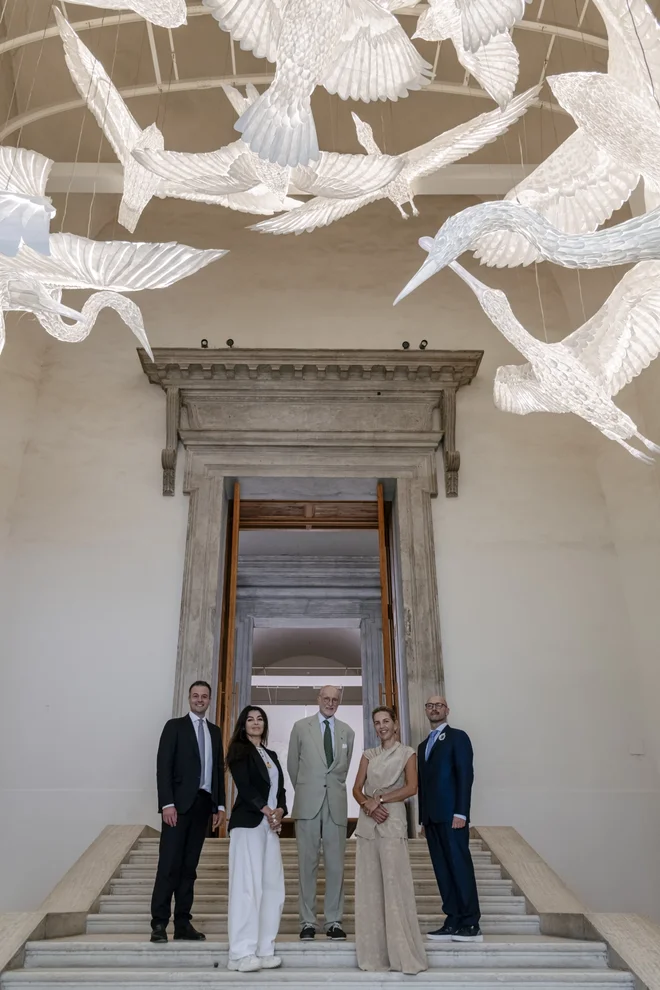
‘Today, at a time when technologies can generate images, imitate voices and reproduce forms with astonishing efficiency, many of us are rediscovering our longing for authenticity and deep human values. We continue to seek traces of human craftsmanship – signs of individuality, imperfection, skill and intention,’ said Hanneli Rupert, Executive Vice-Chair of the Michelangelo Foundation, at the opening of the superlative exhibition, featuring more than 700 objects and 500 craftspeople from over 70 countries.
The Hand Makes the Difference
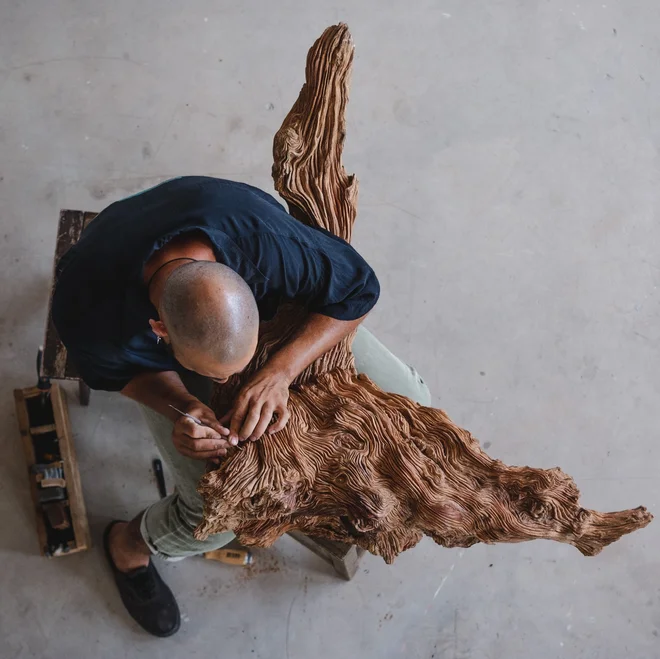
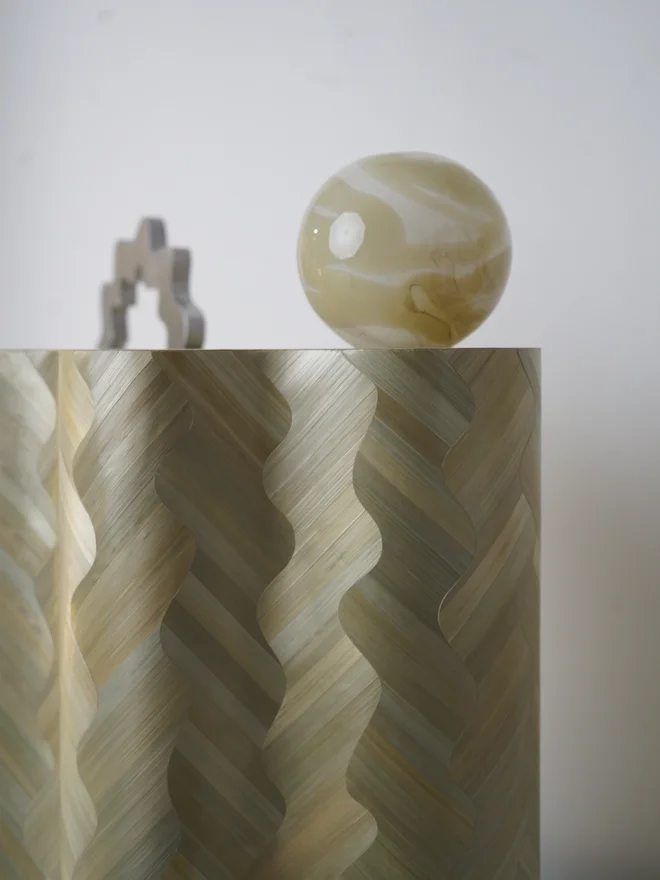
The skills of the craftspeople and the diversity of materials are impressive, while the exchange taking place at the Biennial is tangible and vivid: Belgian glass artist Virginie Vandeputte translates centuries-old techniques into contemporary figurative works, while Borja Cáceres presents a sculpture made from salvaged high-altitude pine, its grain revealed through slow, painstaking handwork. And then there is ‘Before the Storm’ – a side table made of straw marquetry, aluminium and hand-blown glass, a collaborative work by London-based furniture maker Kim Jordan and emerging designer Sandra Pinto, created during their Homo Faber Fellowship.
A founding partner and supporter among the more than twenty partnerships is the Swiss watchmaker Jaeger-LeCoultre. The foundation’s institutional ties to the luxury industry are no coincidence: the Michelangelo Foundation was founded by Johann Rupert, Chairman of Richemont, and former Richemont executive Franco Cologni. Under Executive Director Alberto Cavalli, the Geneva-based foundation curates Homo Faber and connects craftsmanship internationally with culture, design and business.
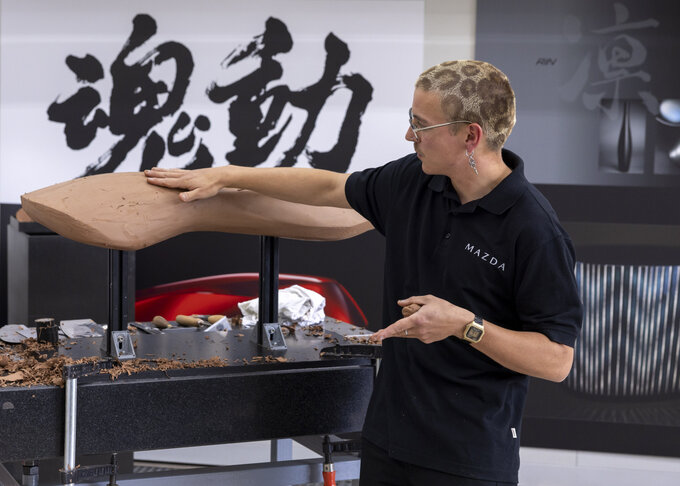
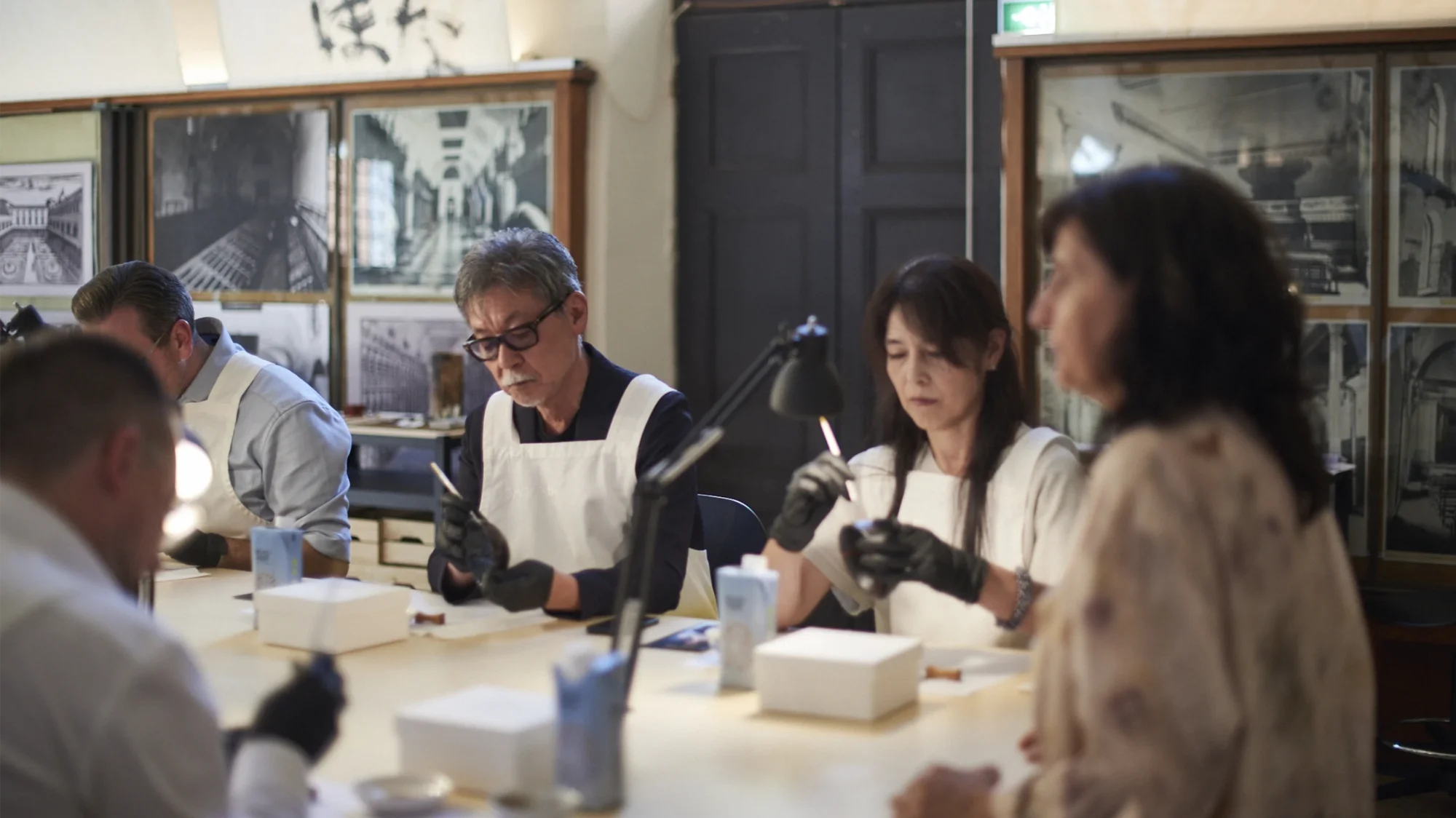
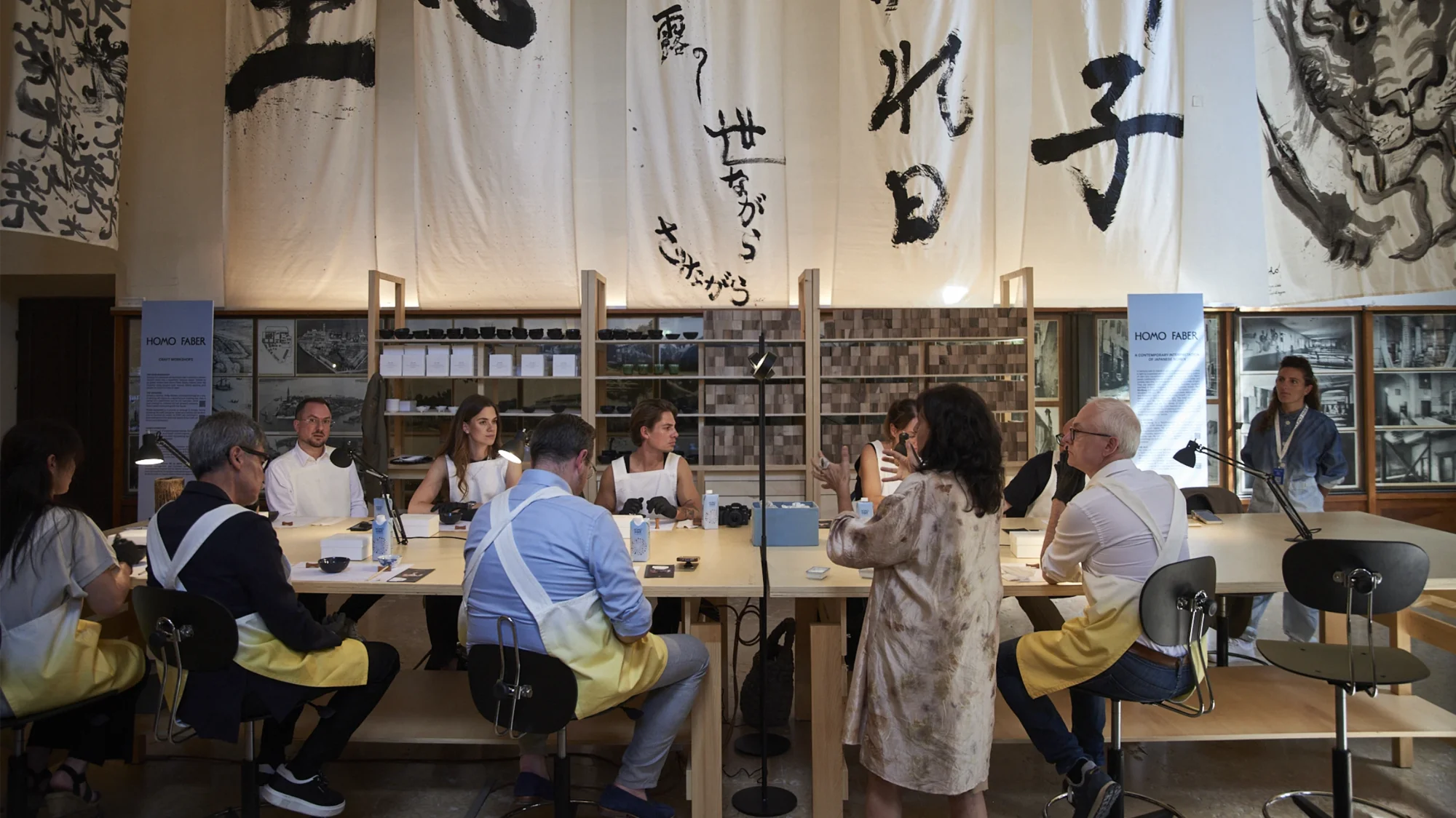
Nicolas de la Barre d’Erquelinnes was also able to further develop his skills over several months under French master craftsman Antonin Martineau. During the Biennial, the Belgian woodcarver leads a Hanko workshop presented by Mazda, in which visitors can carve a seal stamp featuring Kanji characters. Mazda is also supporting the event as country sponsor for Japan and is backing paper and object artist Kuniko Maeda, who presents her work in live demonstrations held over several days during the Biennial.
Craftsmanship as a Strategic Differentiator
Why does an industrial car manufacturer place Japanese craftsmanship so prominently at the heart of Homo Faber – especially in a setting that deliberately plays down traditional brand presence? For Katarina Loksa, Head of Brand at Mazda Motor Europe, this restraint is precisely the point: ‘With large-scale logos, we would undermine what these works are actually about: the quiet, concentrated work of the artists. It would also undermine the integrity of our commitment. The value of such a partnership lies precisely in its credibility.’ The company’s grounding in craftsmanship is certainly a strategic point of differentiation – not as a marketing tool, but because it reflects Mazda’s identity: a design philosophy rooted in the skill of the Takumi, their feel for materials and their precision.
The extent to which the turn towards the analogue is now shaping the luxury market is revealed by a look at Hermès’ digital presence: its Instagram account features young illustrators, while hand-painted elements animate its homepage. This also reflects a shift in the industry’s value logic: McKinsey diagnoses a considerable loss of trust following years of significant price increases that were not matched by quality and creativity to the same extent. Scarcity alone is no longer enough. Craftsmanship is intended to anchor value more firmly in the product once again: through visible quality, skills that are difficult to reproduce, individuality and transparent production. It is precisely the constraints of handcraft – the time involved, limited production runs and dependence on specialists – that create added value in the premium and luxury segments.
When Expertise Becomes Scarce
Behind the rhetoric of heritage and uniqueness lies a very concrete production problem for many luxury companies: without people who possess rare techniques, many of their products simply cannot be made. Major conglomerates that depend on the availability of highly skilled craftspeople have long been investing in their own workshops and training programmes. One example is LVMH’s Institut des Métiers d’Excellence. Since the 1980s, Chanel has integrated specialised ateliers and today brings together eleven Maisons d’art with around 700 specialists at le19M in Paris; alongside its own École Hermès des savoir-faire, Hermès maintains a high degree of vertical integration through its leather workshops.
An important aspect is also the passing on of repair knowledge. Factors such as longevity across generations and collectability help foster customer loyalty while significantly strengthening a company’s sustainability profile and corporate social responsibility.
Uniqueness Through Slowing Down
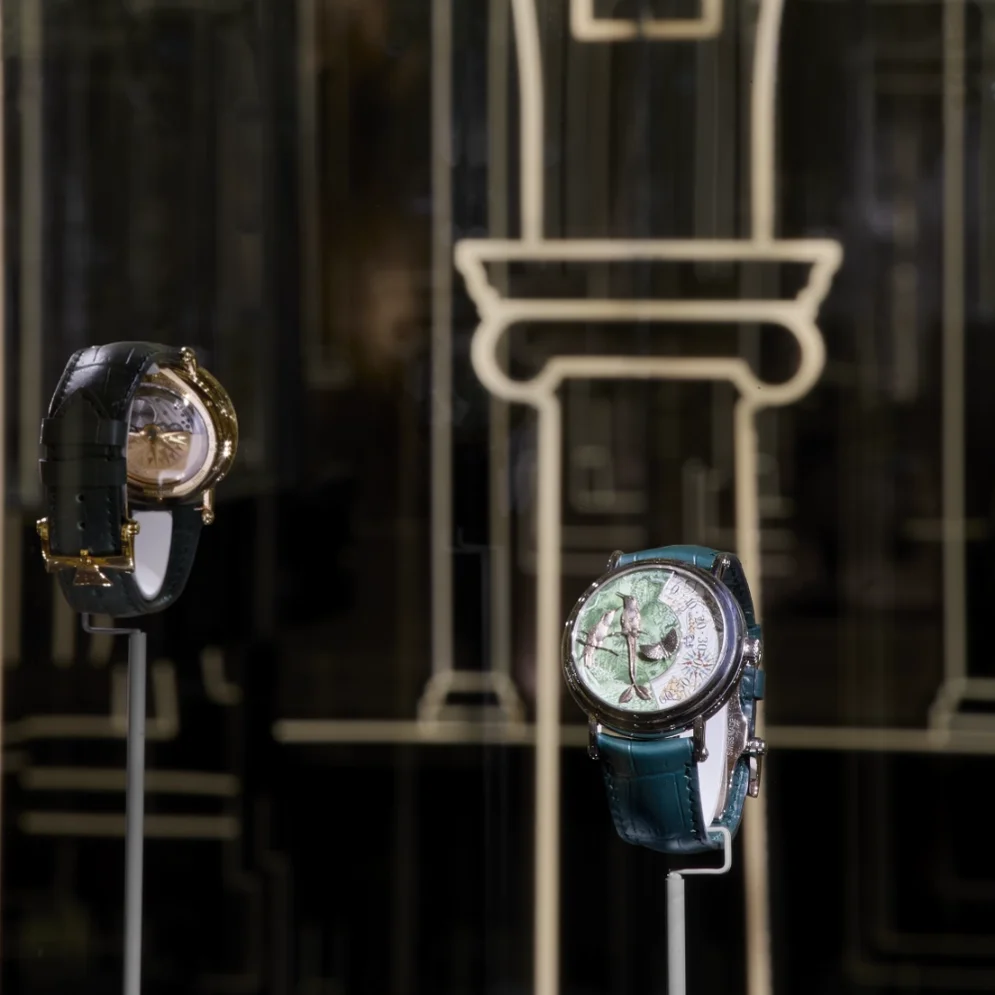
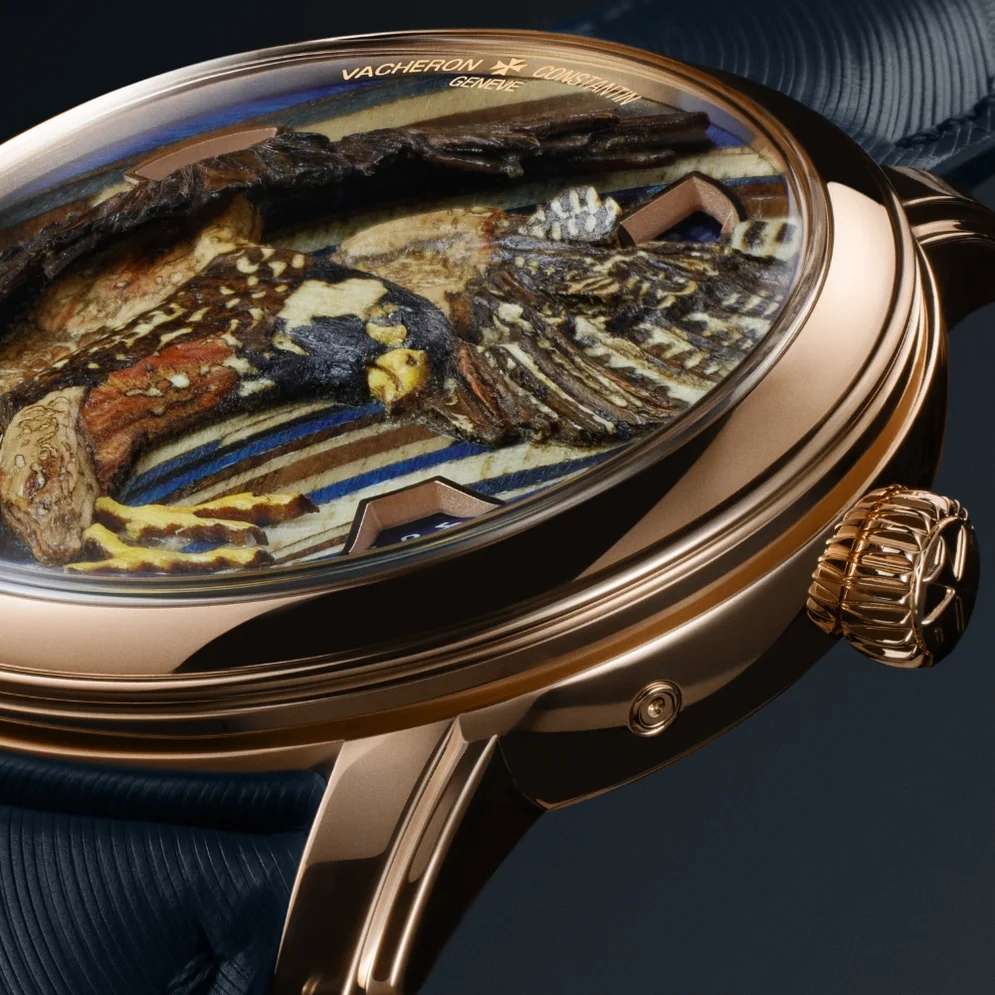
The shift towards more culturally conscious, values-based strategies on the part of businesses reflects a growing social desire for aesthetic individuality and originality. ‘The growing interest in craftsmanship is indeed changing the perception of luxury. Customers increasingly value not only the finished object, but also the time, rarity, specialised knowledge and human skill expressed in it,’ confirms Christian Selmoni, Legacy and Style Director at Vacheron Constantin. In Venice, the manufacture is presenting six concept watches from its ‘One of Not Many Crafts Programme’. Vacheron Constantin sees the programme as an incubator designed to introduce new approaches and craft techniques into watchmaking.
A. Lange & Söhne’s timepieces are also conceived as complete works of art. The Glashütte-based manufacture, likewise a corporate partner of Homo Faber, produces only a few thousand watches per year. For CEO Wilhelm Schmid, the particular value of craftsmanship lies precisely in the fact that it cannot be fully standardised: ‘Not even our finest watchmakers and finishers are able to work on something in exactly the same way twice.’ What initially appears to be a disadvantage compared with machine precision thus becomes a distinguishing feature – as with the hand-engraved balance cock: ‘What we achieve in return is a uniqueness that would not be possible with a machine. True beauty often emerges through small imperfections.’

Who owns the expertise?
Authenticity and differentiation, price justification and a boost to innovation: businesses benefit significantly from collaborating with craftspeople and specialists. In return, they gain visibility, reputation, economic stability as well as resources and infrastructure. But such collaborations also raise questions about authorship, appropriation and decision-making power. Homo Faber can play an important role here. Collaboration with Mazda has not changed the way she works, but it has changed her perspective on the carmaker’s relationship with technology, says Kuniko Maeda.
‘Mazda’s design approach has shown me how technology can support craftsmanship and expand its possibilities without replacing the human element.’ With this experience, the Japanese artist points to a development that Deloitte describes as a key transformative force for the coming years: the merging of technology and traditional craftsmanship.
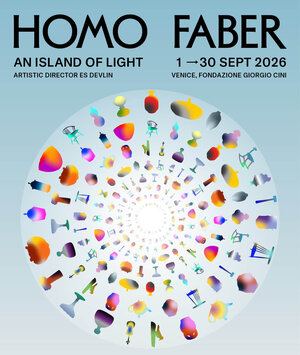
Homo Faber Biennale 2026
„An Island of Light“
Fondazione Giorgio Cini, Insel San Giorgio Maggiore, Venice
Until 30 September 2026
More