Ping-Ponging Your Way to the Product
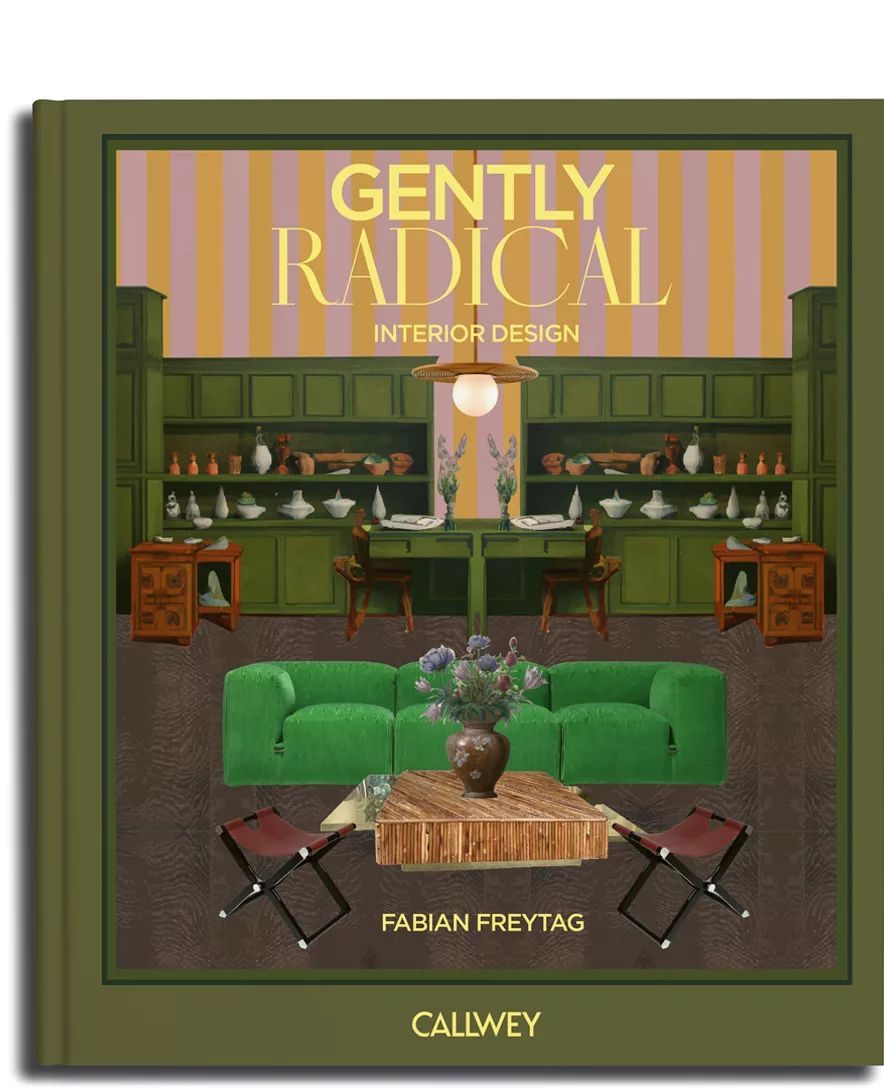
You used AI extensively for your book Gently Radical Interior Design. You have also long since integrated this technology into your daily work. What is your fascination with this technology?
Fabian Freytag: In the past, when you had an idea, you had to invest many hours in collecting mood images, drawing and visualizing your vision. Today, AI can simply create images from words. However, there are limits: One must always artificially create the condition that the images relate to each other - in a creative dialogue with the AI. I perceive this almost poetic ping pong as a renaissance of creativity. I greatly appreciate having a creative sparring partner today who triggers my ideas, pushes them to their limits, and elevates them to a new level.
As part of the work for your book, the AI even spit out a table lamp, which you presented at the Salone del Mobile in Milan in April …
Exactly. The Midjourney prompt was "Table lamp from the seventies." I posted the image on Instagram back then, where it quickly received many likes. I thought to myself: Wait a minute, if I have here, so to speak, the proof of concept that a product that supposedly exists is so well received, then we should also implement it. So we started making the technical drawings for it and gradually translating it into reality...
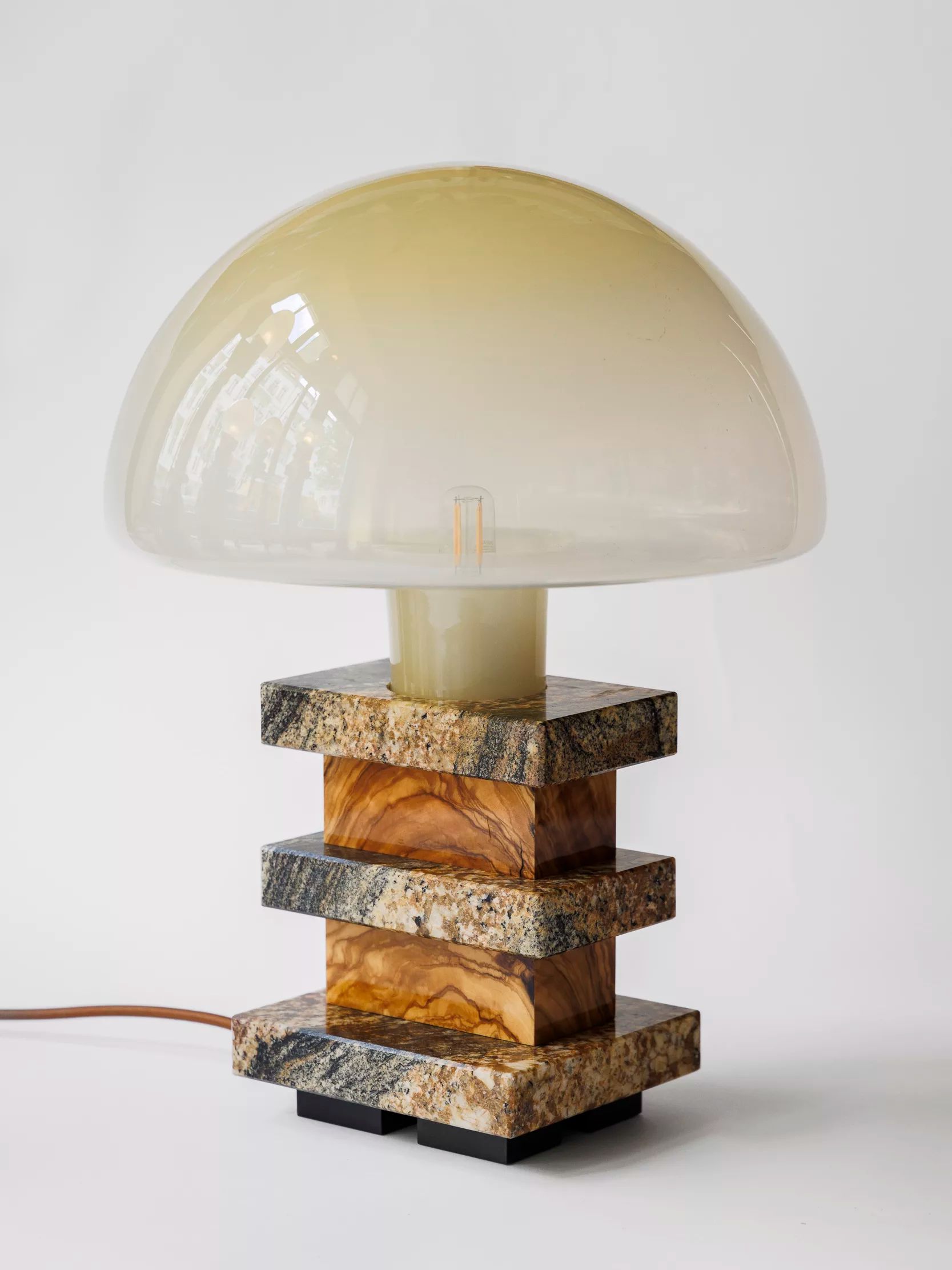
So the AI created the mood image on the basis of which the luminaire has now been produced?
Of course, AI doesn't consider whether something is technically producible and where the materials come from. We took that from Fabian Freytag Studio. And indeed, in March of this year, we found ourselves somewhere in the woods in Sweden in a glassworks at Kosta Boda, producing the lampshades. We presented the finished lamp in April during ALCOVA at Milan Design Week in Villa Borsani. Osvaldo Borsani's grandson even came by and bought two copies for the house - he said his grandfather would have been thrilled (laughs).
At the moment, AI is mainly text-based. But the design process is primarily visual. Isn't that a contradiction? Shouldn't AI work differently for designers?
I actually find it wonderful that through language models, people are starting to formulate more cleanly again. This helps maintain the quality of language. I enjoy writing, so it saddens me a bit to think that, for example, spelling will no longer matter in the future. To get back to your question: At the moment, AI is in its infancy. It will slowly enter adolescence in monthly steps and eventually become an adult. The exciting part is that it goes through all human abilities, such as writing, listening, speaking, and so on. Recently, GPT-4o has been released, where you speak with your phone instead of writing. The future will involve all of us conversing with technology.
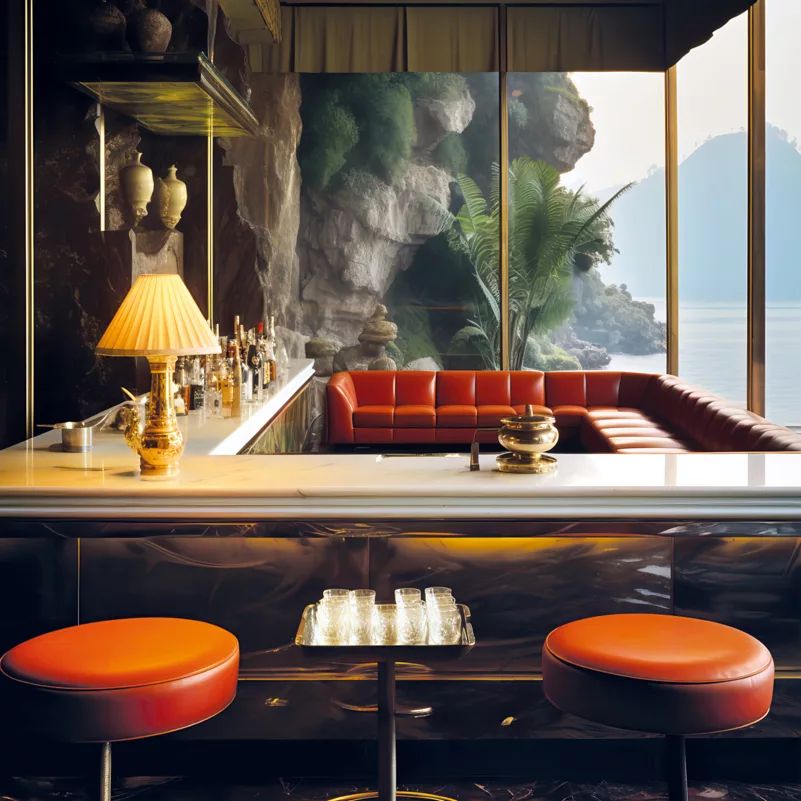
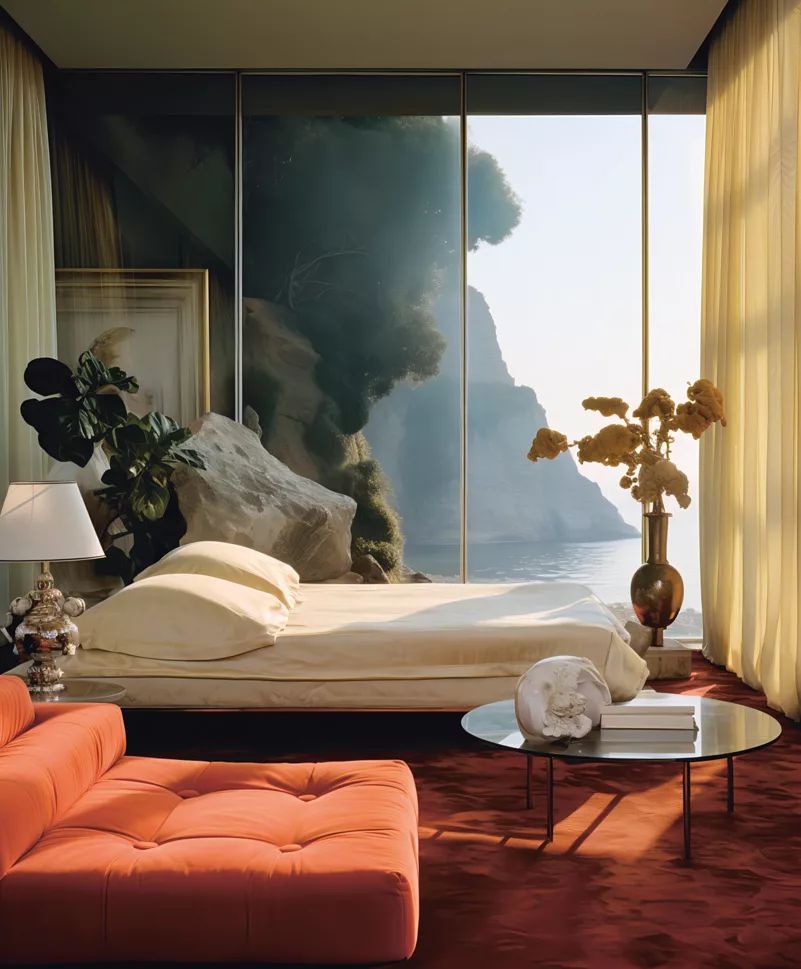
What does this mean for design work? Will designs for furniture or spaces soon be created solely through the spoken word?
So far, we have been used to holding a mouse in our hand and clicking to create a draft. Wouldn't it be a fantastic new discipline if soon we could create whole worlds solely through spoken word? The thought gives me butterflies in my stomach. Architecture and interior design are often viewed very technically, almost scientifically. If we start to see these disciplines more artistically, as a kind of playground, then anything can and should happen. Who says a design must only come about in a certain way? And is it really important whether I designed the light or the AI did? For me, the result is what matters.
Where do you see the greatest potential of AI for designers and manufacturers?
I see an enormous potential in being able to handle resources meaningfully and responsibly in the future with the help of AI. At the moment, we are blind creators: We often act as if resources, such as sand, are infinitely available. With AI, hopefully one day we will reach a point where we can see and understand the world in its entirety. Then suddenly we will know where there are surpluses of certain materials and can consciously use them for our designs.