When Spaces Heal
For a long time, the hospital resembled a modern factory: cold, neon-lit and efficient. Patients were numbered, measured, scanned and sedated. The architecture itself often echoed the metaphor of a clinical production line, processing suffering patients and spitting them out again. However, when ‘healing architecture’1 replaces clinical coldness with welcoming foyers, gentle acoustics, connections to nature and filtered light falling through textile curtains, the focus of medicine shifts back to the individual, prioritising wellbeing beyond calorie charts and standardised lighting. The new hospital combines atmospheric qualities with cutting-edge medicine. Architecture is finally allowed to evoke human emotion.
Architecture Should Inspire
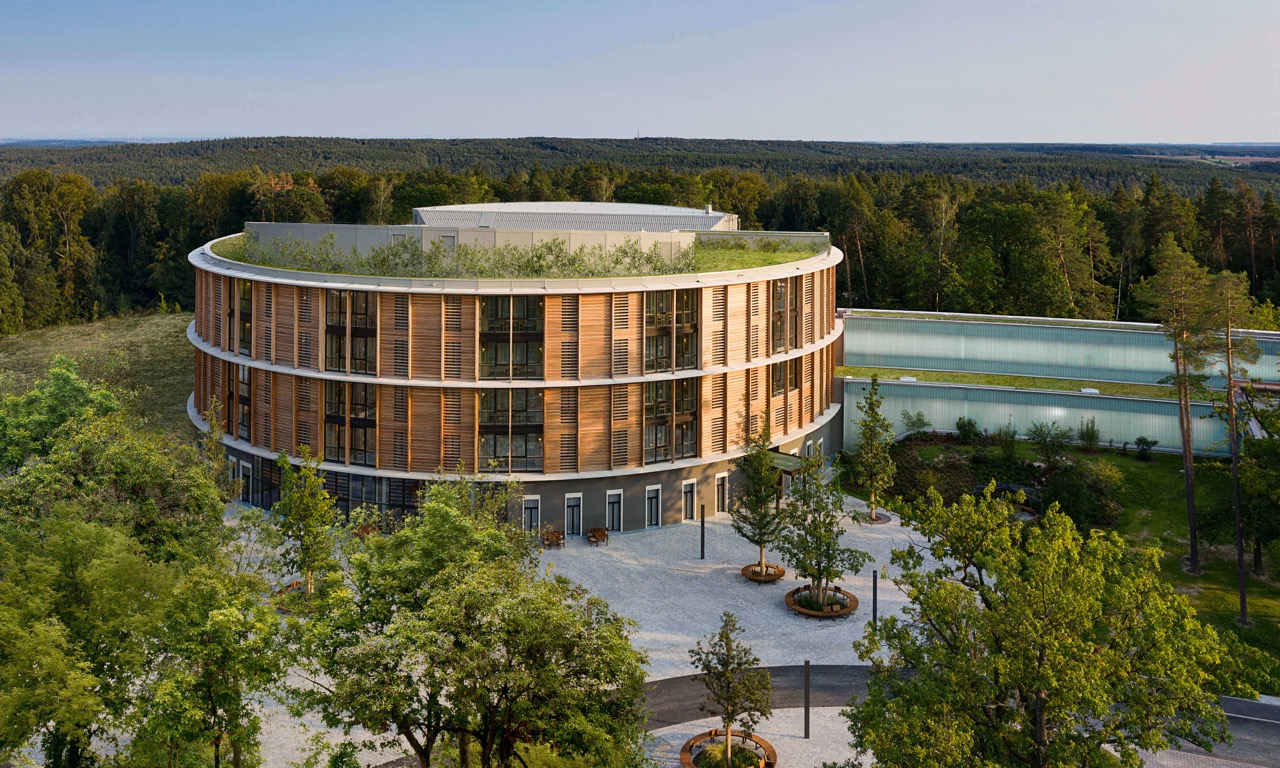
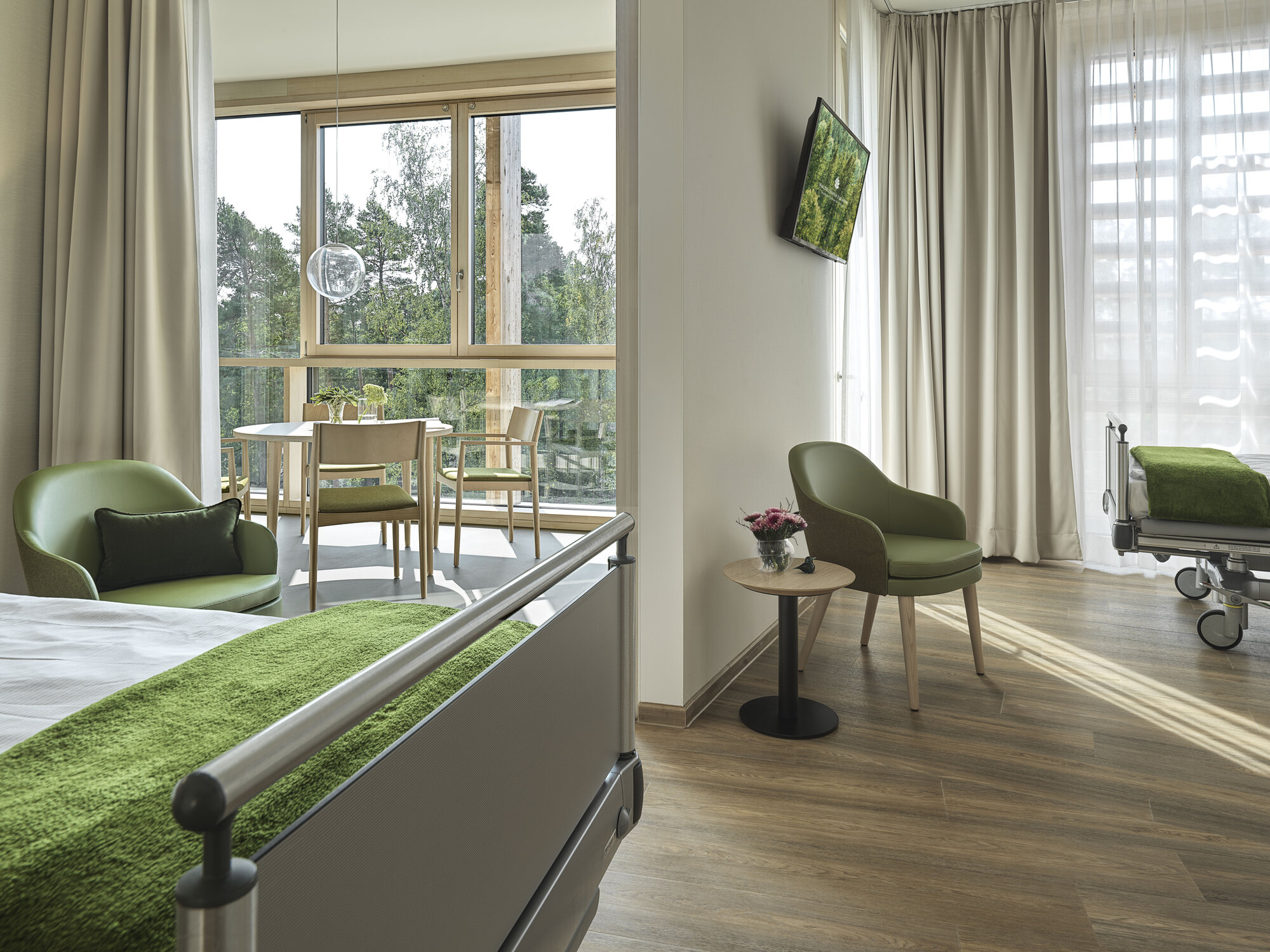
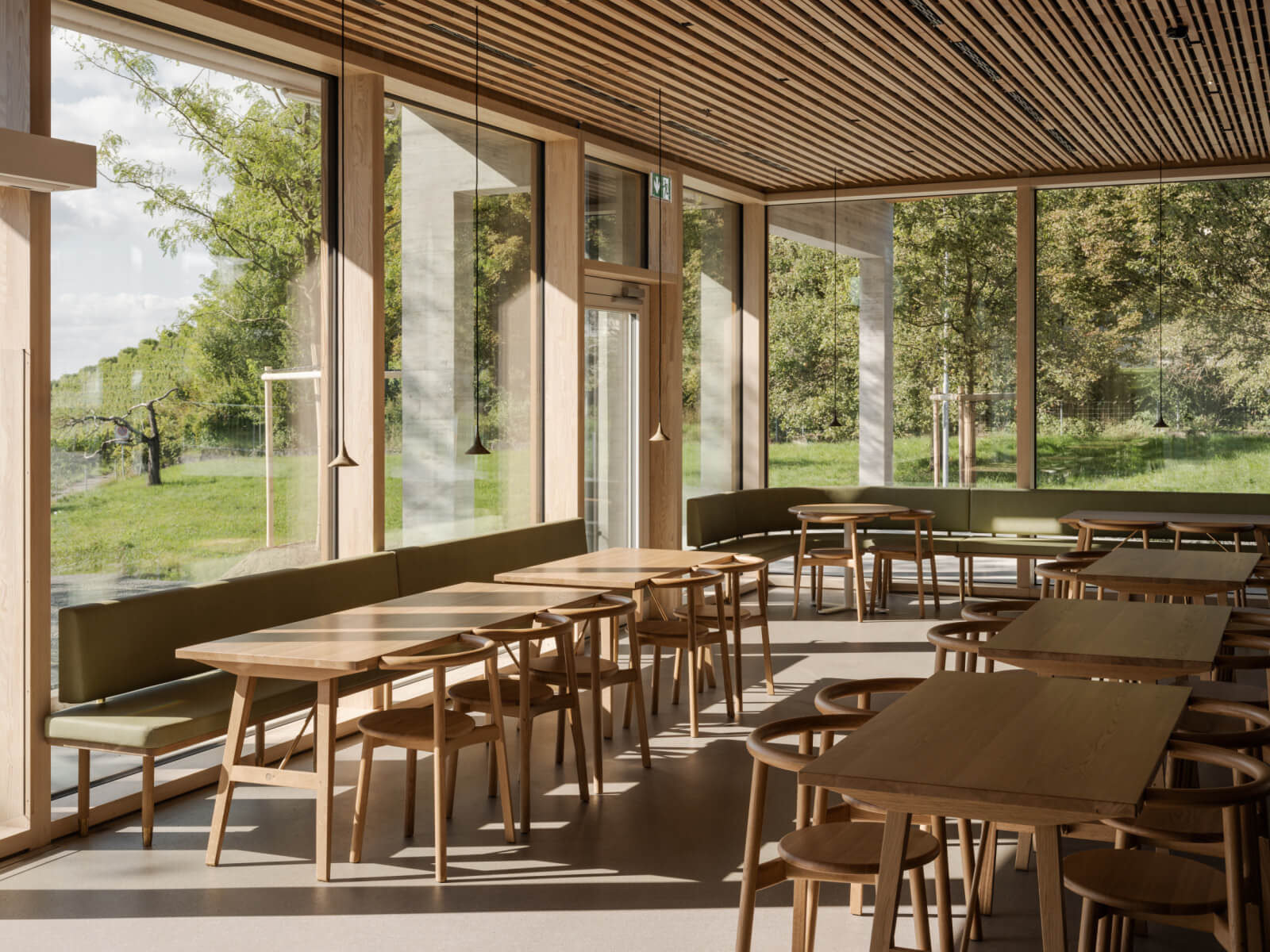
The Waldkliniken in Eisenberg, Thuringia, embody this idea. While they are not the first to rethink the traditional hospital model, they are arguably the most consistent in challenging and reshaping it. Patients are referred to as ‘guests’, who certainly appreciate the blend of ambience and ‘medical and therapeutic excellence’ at what has been called ‘Germany’s best hospital’ (F.A.Z. Institute, 2019; second place in 2025). Designed by Matteo Thun, the Waldkliniken have even been awarded five stars under the German hotel classification system.
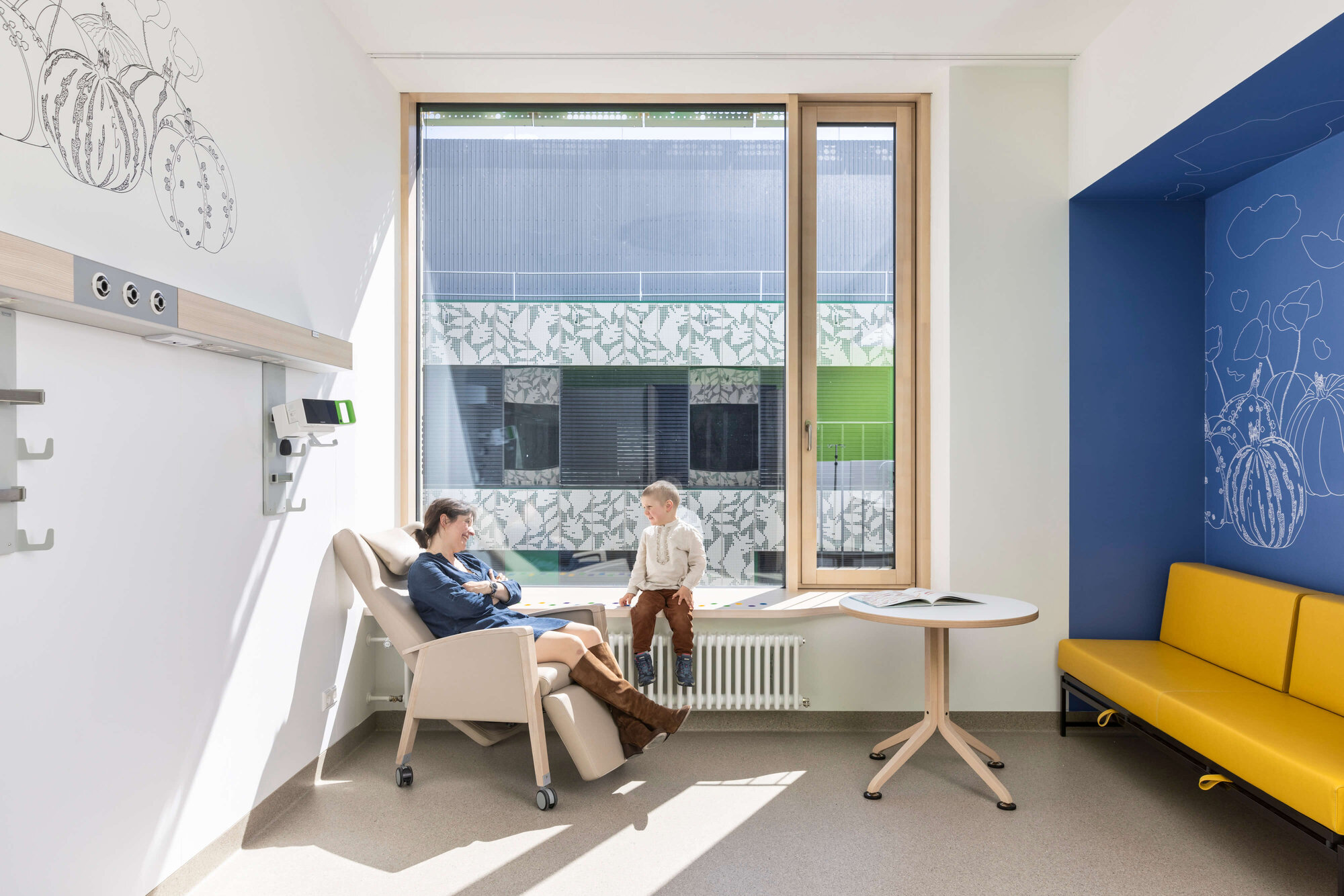
The impact of healing architecture is confirmed by numerous studies. Its holistic approach reconciles the humane with the mechanical. Natural light stabilises circadian rhythms, while fresh air and views of nature promote a sense of peace. Carefully chosen natural materials and well-proportioned spaces also allow for privacy. The layout of the wards also provides a sense of security: when arranged around a green courtyard, sightlines unfold naturally. The new hospital is more than just a building; it is an integral part of the recovery process. This is not just an aesthetic luxury, but a sound economic investment, resulting in shorter stays, fewer medications and lower relapse rates.
Roof-Top Holidays
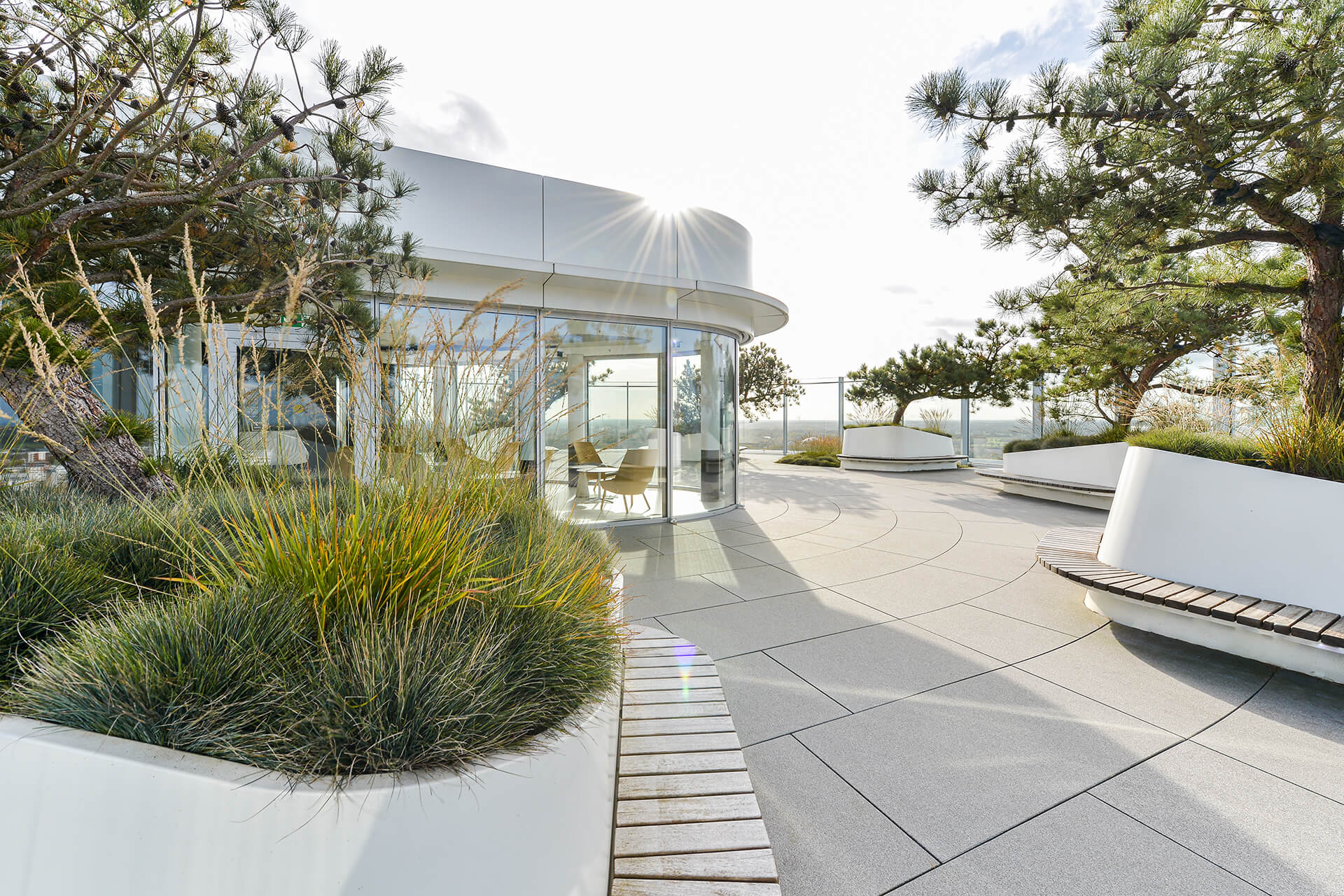
Hospital architecture is one of the most exciting fields in contemporary construction, combining social, technical, and profoundly human dimensions. However, it’s not just about new builds; renovating and extending existing buildings can also offer huge potential. The University Hospital in Münster (Universitätsklinikum Münster), which was modernised by Wörner Traxler Richter Planungsgesellschaft mbh, is a prime example of this approach. The original 1982 building’s striking bed towers were preserved and even extended. From the new café lounge in the east tower, visitors can enjoy views of the rolling Münsterland landscape. Green terraces beckon everyone in, and the interdisciplinary ward on the seventh floor resembles a luxury hotel, with its bright wooden finishes, subtle colours, and carefully positioned lighting. Something new and future-proof is emerging within the hospital system.
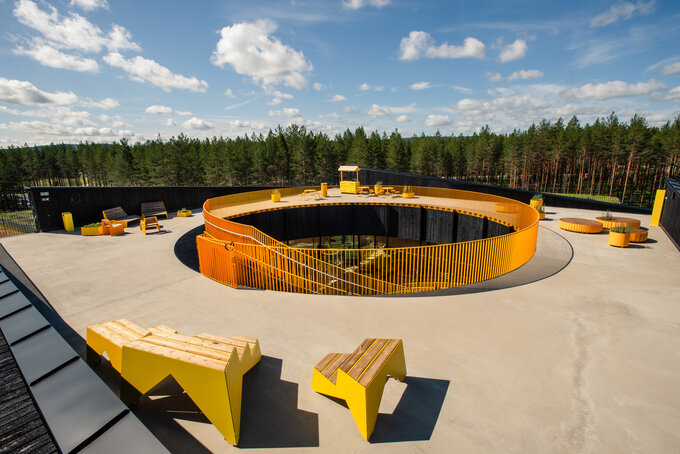
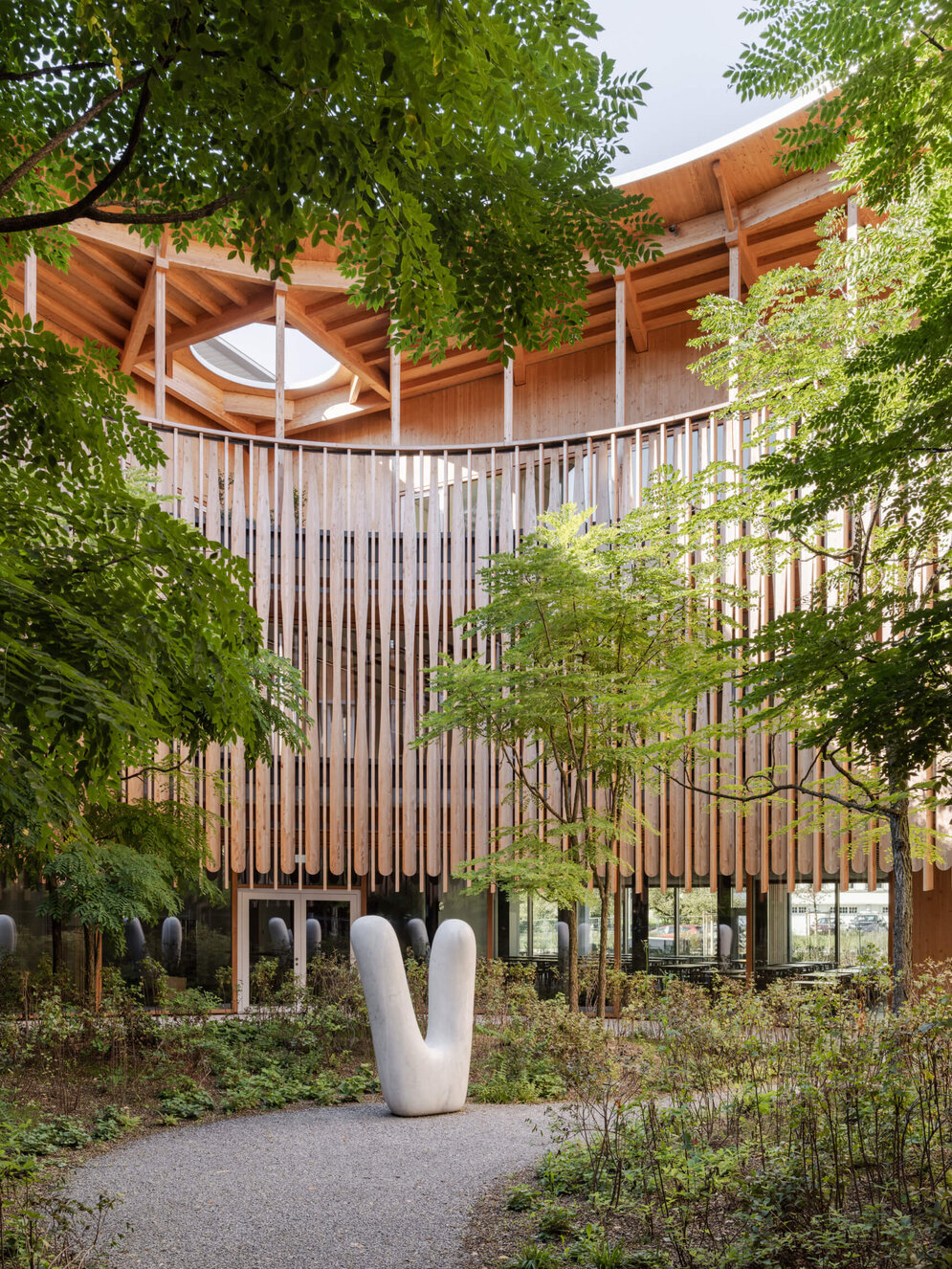
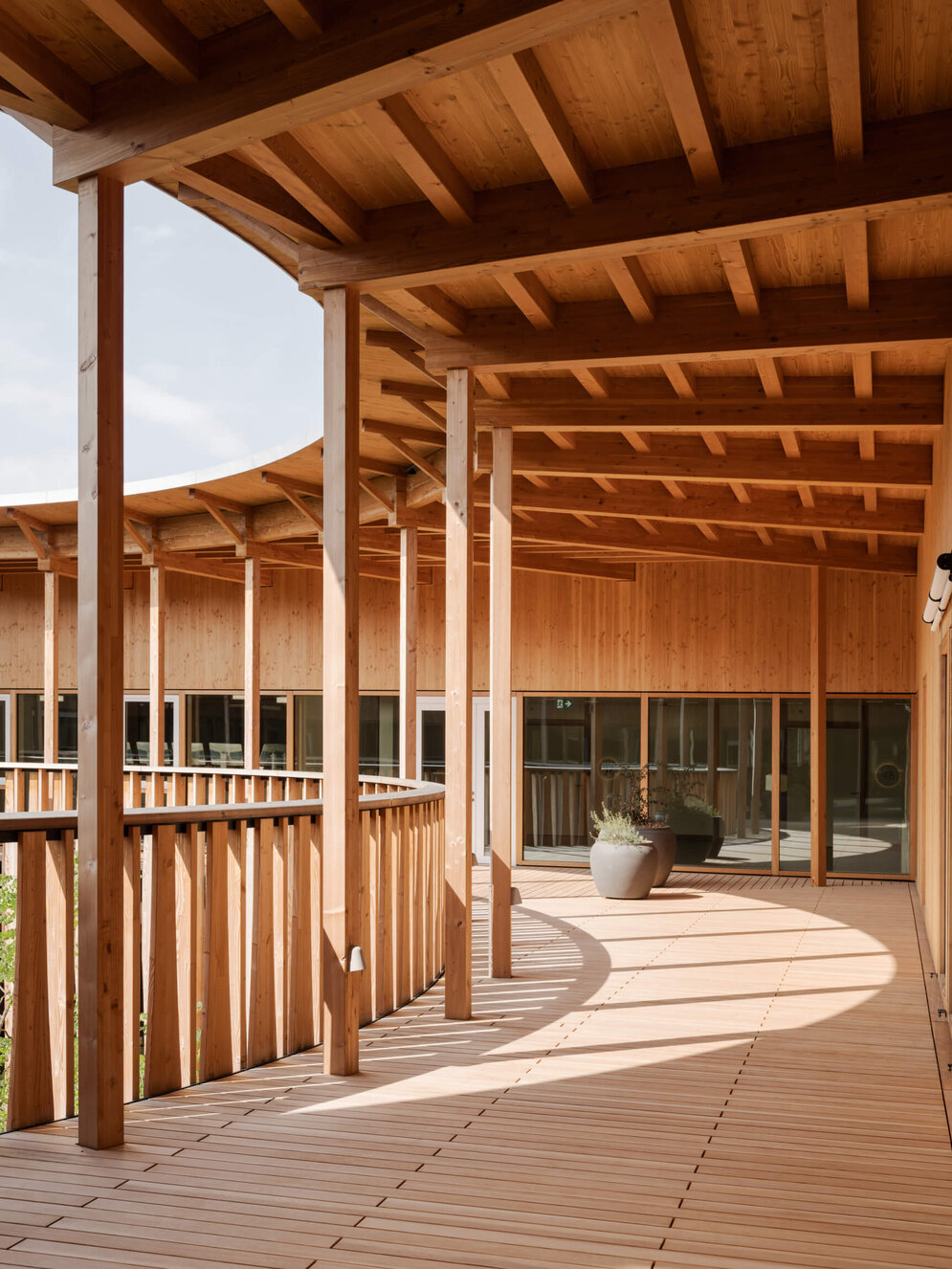
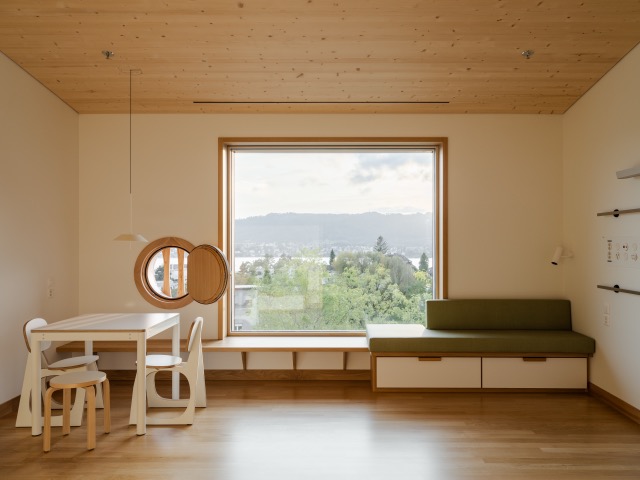
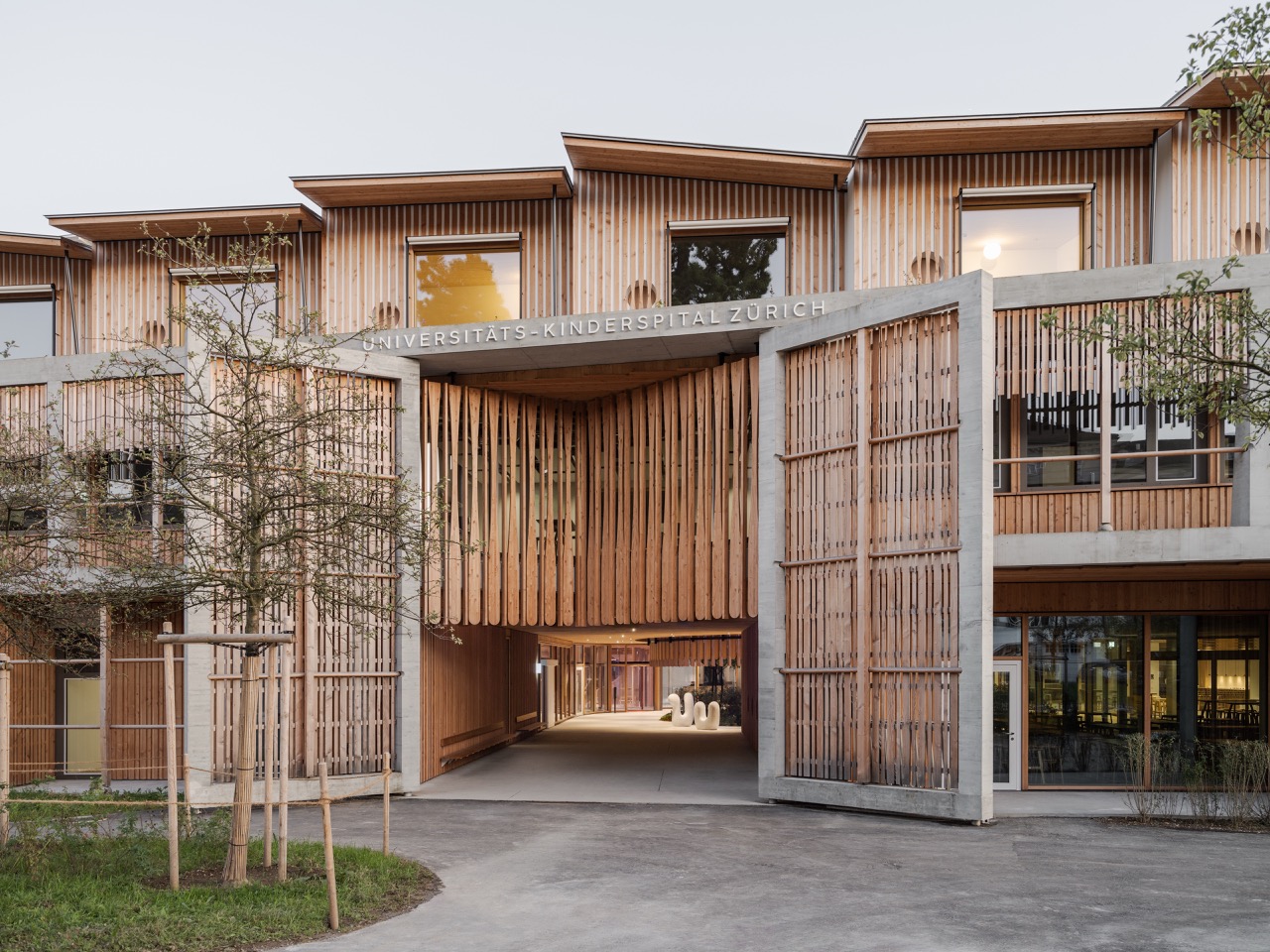
A similar approach can be seen at the Zurich Children’s Hospital (Kinderspital Zürich), which was designed by Herzog & de Meuron as an antidote to what Jacques Herzog described as ‘the ugliest places in the world’. Designed as a small city, the three-storey hospital features squares and pathways that link the various departments, with green courtyards on every floor. On the roof, a small holiday village has been created: One hundred and fourteen wooden houses provide single rooms where parents can stay overnight with their children. Project leader Christine Binswanger even had 250 trees planted around the building. Suddenly, healing is understood in a different way: as something subtle and sensory that can be experienced through all the senses.
The Anti-Waiting Room
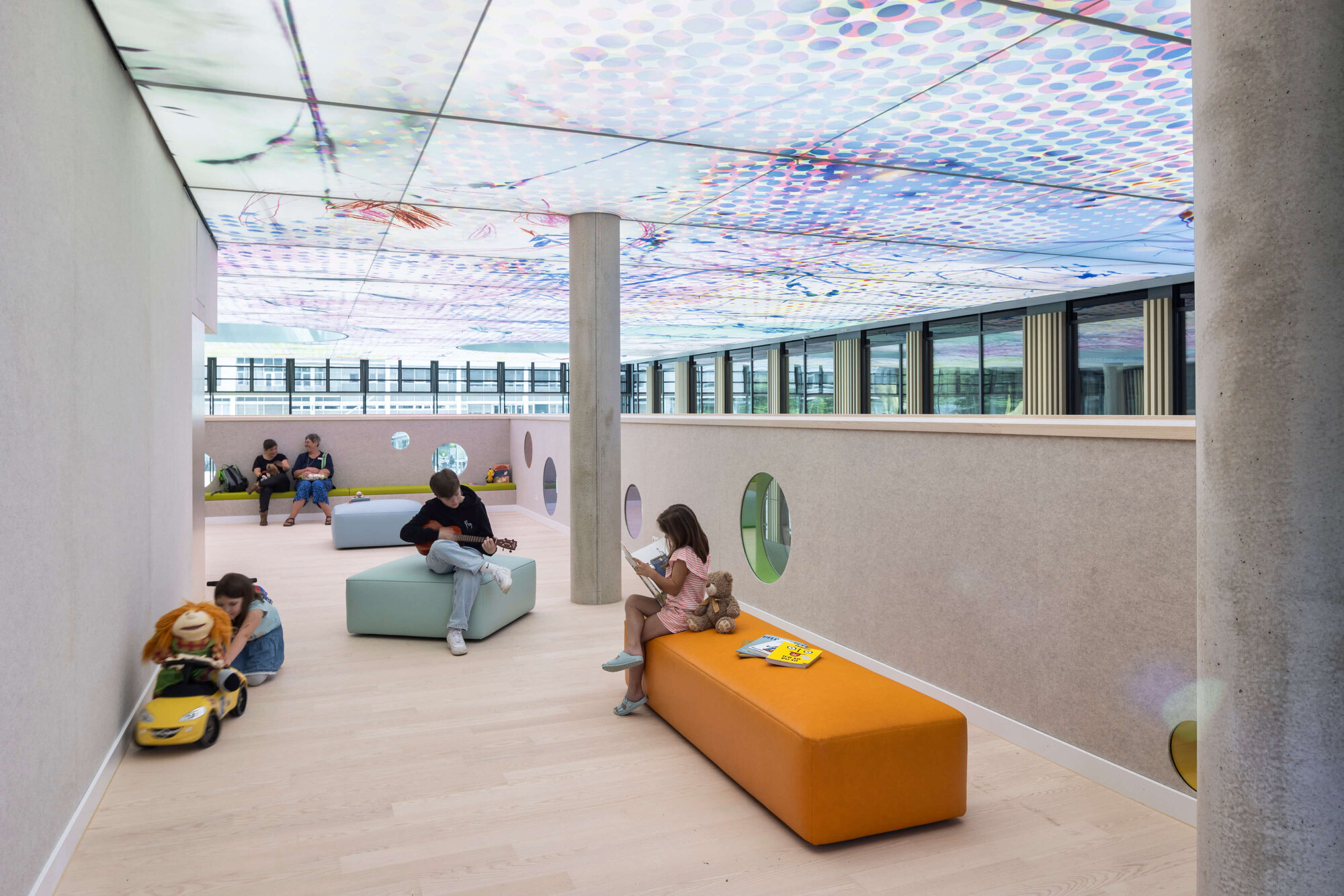
The Children’s and Youth Hospital in Freiburg (Kinder- und Jugendklinik Freiburg) was designed in collaboration with Health Team Vienna, Albert Wimmer ZT GmbH & Architects Collective ZT GmbH and KOPVOL Architecture & Psychology, the latter of which is based in Rotterdam and Berlin. The bright entrance hall signals that this is a hospital open to all. Light and fresh air are not left to chance. The ‘different kind of waiting room’ transforms the often stressful experience of waiting. It becomes an opportunity to perceive, discover and explore. There are sheltered corners for breastfeeding mothers, cosy armchairs for relaxation, and climbing frames and swings. Designed to be fully inhabited, the ‘anti-waiting room’ resembles a giant pop-up book that opens out into the space. The Freiburg approach acknowledges children’s fears, needs and strengths. Even the zoning of the space avoids rigid boundaries.
Towards Social Architecture
This new culture of healing architecture builds on age-old insights with the most modern means. It creates spaces for treatment and therapy that foster health – physical and mental alike. Healing architecture is moving towards a truly social architecture, breaking with clichés of what a hospital should look like. Its core principle seems as simple as it is self-evident: built space has an impact on body and mind – demonstrably so. Hospitals are once again becoming places that take people seriously in all their diversity and needs, and that enable recovery. To achieve this, the principles of healing architecture should finally be given a prominent place in all tenders.

More visibility, more opportunities – the new ICONIC AWARDS provide a stage for tomorrow's ideas and projects. They open up networking and business opportunities and pave the way to new markets. They are aimed at architects, interior designers, designers and companies who are shaping the future with visionary projects, innovative products and sustainable concepts.